This article contains affiliate links. If you book through them we may earn a small commission at no extra cost to you — it helps keep Authentic Japan free.
This guide is for anyone planning a trip to Japan in December 2026 — first-timers deciding whether December is a good month, and repeat visitors trying to work out what will be open over New Year. It covers the weather by region, what is worth seeing early versus late in the month, the year-end closure week, and a sample seven-day route. Climate figures come from the Japan Meteorological Agency (JMA), and the event and ATM details were checked on official sites on 14 October 2026.
The short answer: December is one of the better-value months to visit, as long as you treat it as two periods. From 1 to about 26 December, the main cities are dry, often sunny, and relatively uncrowded, with the last autumn colour in Kyoto and Tokyo in the first days of the month and winter illuminations everywhere. From about 28 December to 3 January, Japan goes on its biggest holiday: many museums, government offices and small restaurants close, trains and hotels fill up with domestic travellers, and prices rise. Trains keep running and convenience stores stay open, so the trip still works — you just plan it differently.
December weather by region (JMA climate normals)
Japan stretches from subarctic Hokkaido to subtropical Okinawa, so "December weather" depends heavily on where you are. The table below uses JMA's official 1991–2020 climate normals for December — 30-year averages, not a forecast for 2026.
| City (JMA station) | Avg high | Avg low | Precipitation | Sunshine | What it feels like |
|---|---|---|---|---|---|
| Tokyo | 12.0°C | 3.8°C | 57.9 mm | 174 hours | Crisp, dry and very often sunny; cold after dark |
| Kyoto | 11.6°C | 3.5°C | 57.3 mm | 134 hours | Similar to Tokyo but feels colder in the basin mornings; snow is occasional, not typical |
| Osaka | 12.3°C | 5.3°C | 55.5 mm | 152 hours | The mildest of the big Honshu cities |
| Sapporo (Hokkaido) | 2.0°C | −4.0°C | 114.5 mm | 83 hours | Proper winter: snow on the ground, short grey days |
| Naha (Okinawa) | 21.5°C | 16.8°C | 110.0 mm | 107 hours | Mild and often cloudy; too cool for most people to swim |
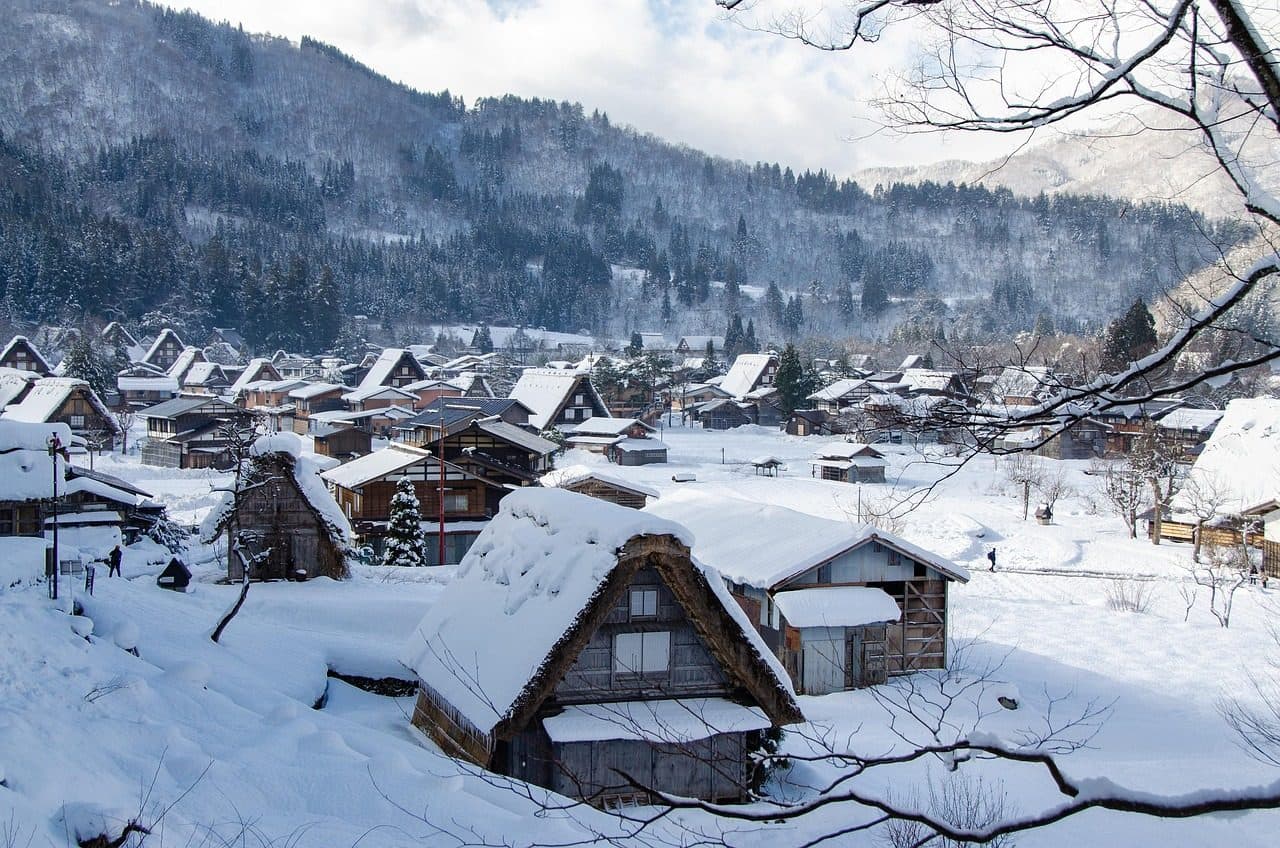
Two things stand out. First, Tokyo in December is one of the sunniest places in Japan — 174 hours of sunshine on average, more than in the rainy early summer — which makes it a very good month for walking and for clear views of Mount Fuji from high points. Second, the north is a different world: JMA's December normal for total snowfall in Sapporo is 113 cm, and daytime highs barely clear freezing. Pack for the coldest place on your route, not the average.
Practical clothing for Tokyo, Kyoto and Osaka is a warm coat, layers and comfortable shoes; most indoor spaces, trains and shops are heated, so you will be taking layers off often. For Hokkaido or the mountains, add waterproof boots with grip, gloves and a hat. For Okinawa, a light jacket is usually enough.
Early vs late December: what is good when
| Period | Highlights | Watch out for |
|---|---|---|
| 1–10 Dec | Last autumn leaves in parts of Kyoto and Tokyo; illuminations running; quiet sightseeing | Leaves are past peak in most famous spots — treat any colour as a bonus |
| 11–24 Dec | Illuminations at their busiest; Christmas markets and lights; ski areas opening in the north | Christmas Eve evenings are busy in date-night areas and popular restaurants |
| 25–28 Dec | Christmas decorations come down overnight and New Year decorations go up; shopping for year-end | Domestic travel peak starts around the 27th–29th; prices rise |
| 29 Dec–3 Jan | New Year atmosphere, shrine visits (hatsumode), temple bells on New Year's Eve | Many museums, offices and independent restaurants closed; crowded trains and shrines |
Late autumn leaves (early December)
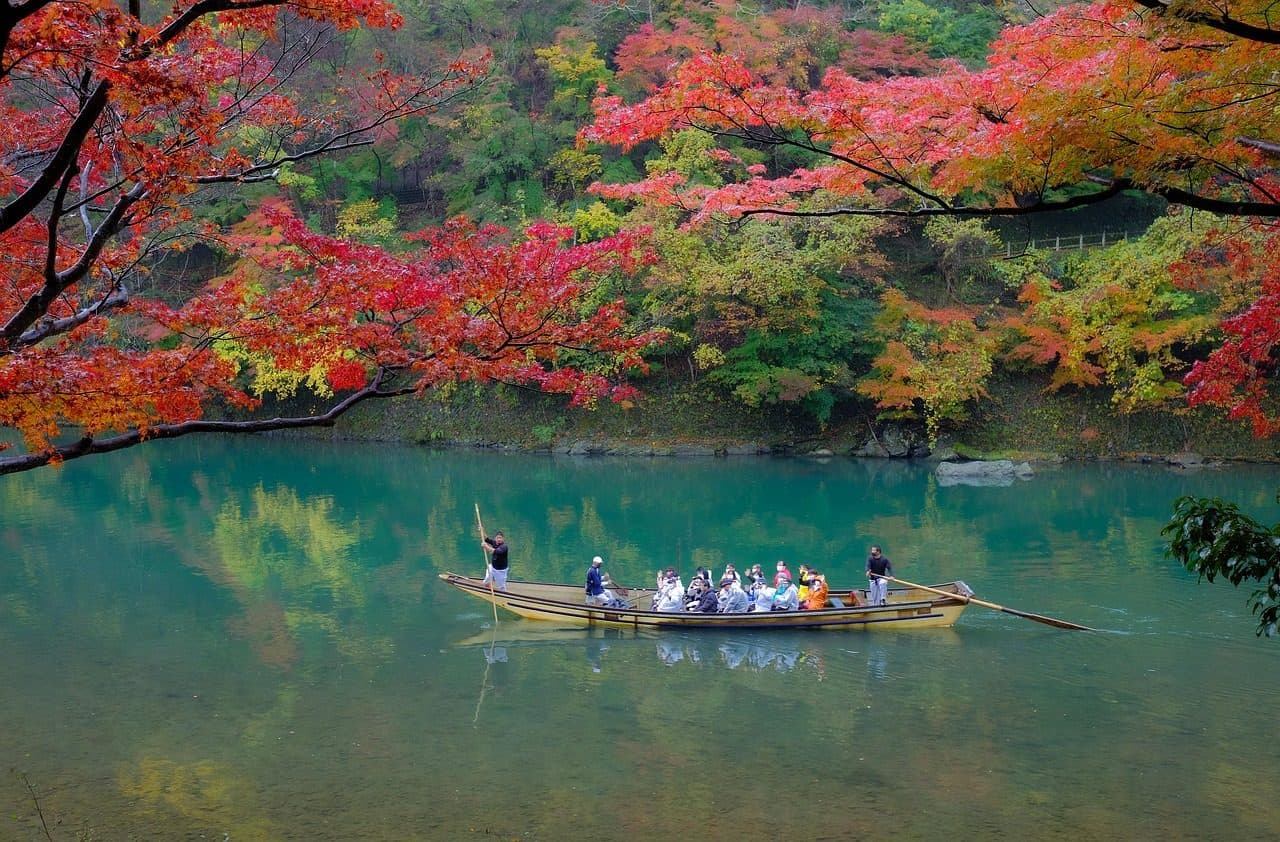
In most years Kyoto's autumn colour peaks in the second half of November, and some valley and garden spots keep their colour into the first days of December. In Tokyo, ginkgo and maple colour in the city parks and avenues tends to run slightly later than in Kyoto. Nobody can promise colour on a given date — it depends on how cold the autumn has been — so check the local foliage reports the week before you travel. If you arrive in the first week of December, plan on finding late colour in a few places rather than a city in full peak, and you will rarely be disappointed. Our things to do in Japan in winter guide covers what replaces the leaves once they are gone.
Winter illuminations
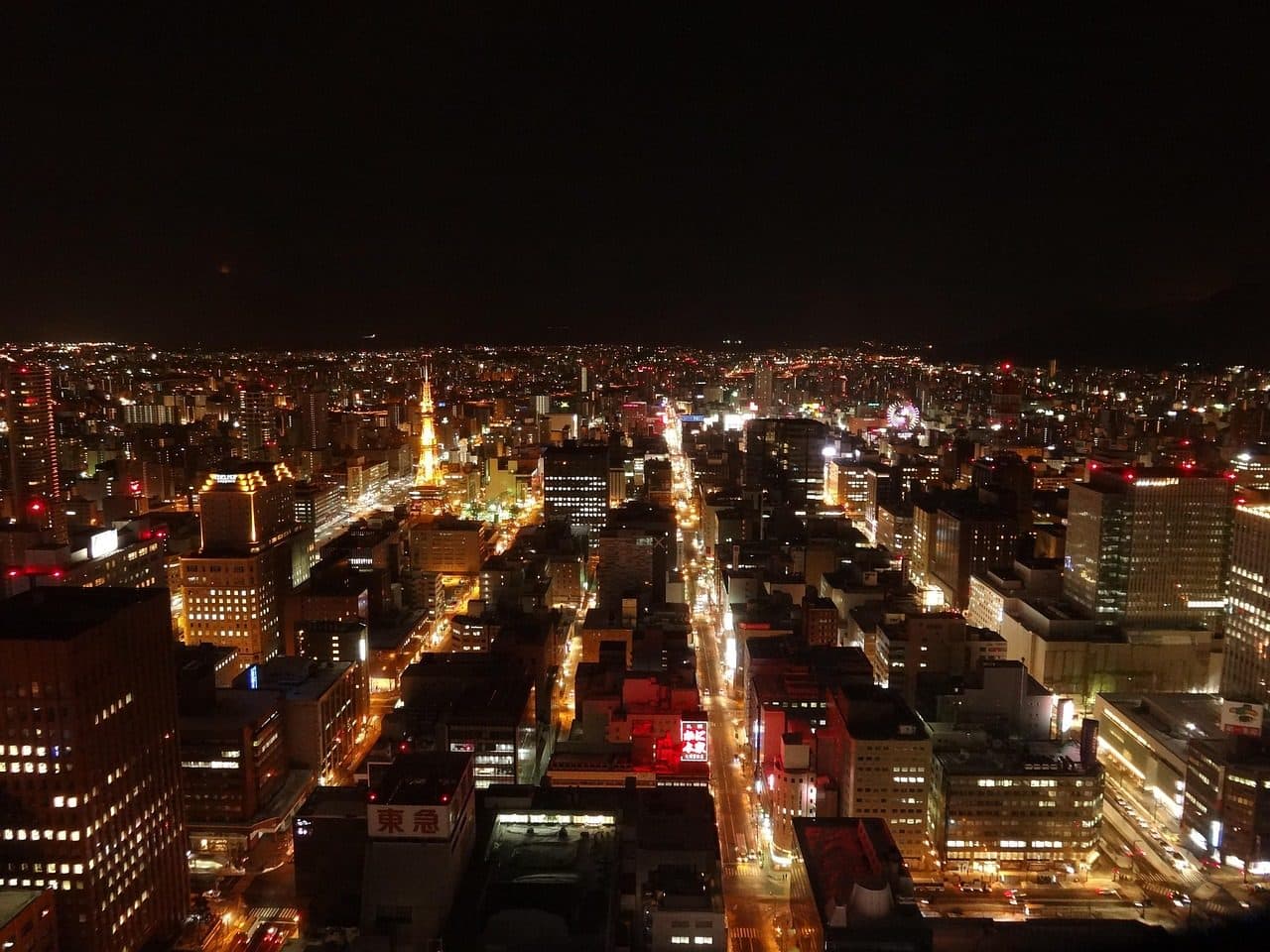
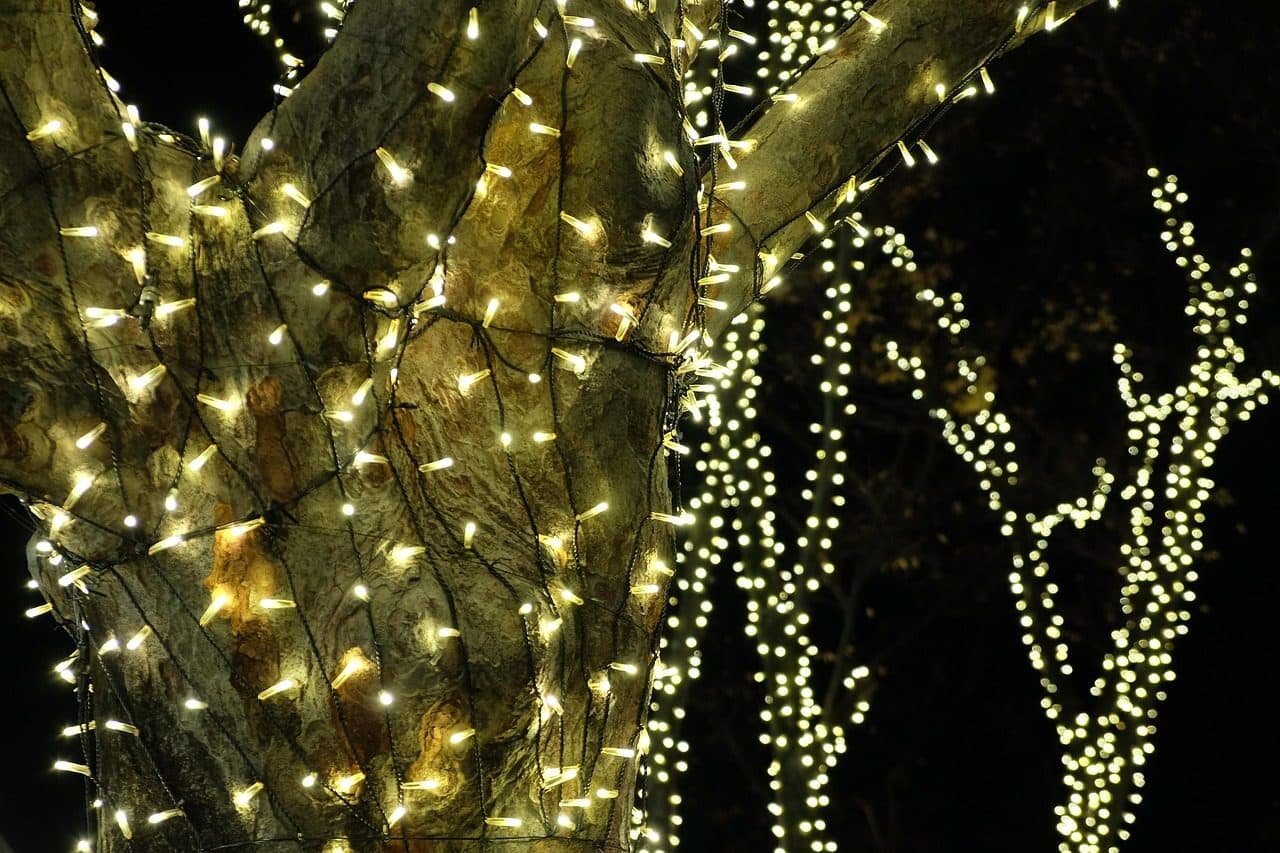
From November into the new year, cities across Japan string LED lights through avenues, parks and station plazas. These "illuminations" are free to walk through in city centres, though some large ones in theme parks and gardens charge admission. Each organiser announces its own dates, and most 2026–27 schedules are published from October onwards.
One that is confirmed: Osaka's Midosuji Illumination 2026 runs from 3 November to 31 December 2026, from about 17:00 to 25:00, along Midosuji avenue between the Hanshin-mae and Namba-nishiguchi crossings, according to the City of Osaka. It is the core of the wider "Festival of the Lights in Osaka 2026", which the Osaka prefectural and city governments say runs from 3 November 2026 to 31 January 2027. Major Tokyo illuminations such as those in Marunouchi and Roppongi had not published 2026 dates when we checked, so check their official sites closer to your trip.
Christmas in Japan
Christmas is not a public holiday in Japan; 25 December is an ordinary working day, and shops, museums and transport all run normally. It is celebrated mainly as a festive season of lights and shopping, and Christmas Eve is treated as an evening for couples, so expect popular restaurants in central Tokyo, Osaka and Kyoto to be booked out on the 24th. Christmas cake (usually a strawberry sponge) and fried chicken are popular takeaway traditions. The morning of the 26th, the decorations disappear and New Year decorations — pine and bamboo arrangements at entrances — go up instead.
Ski season
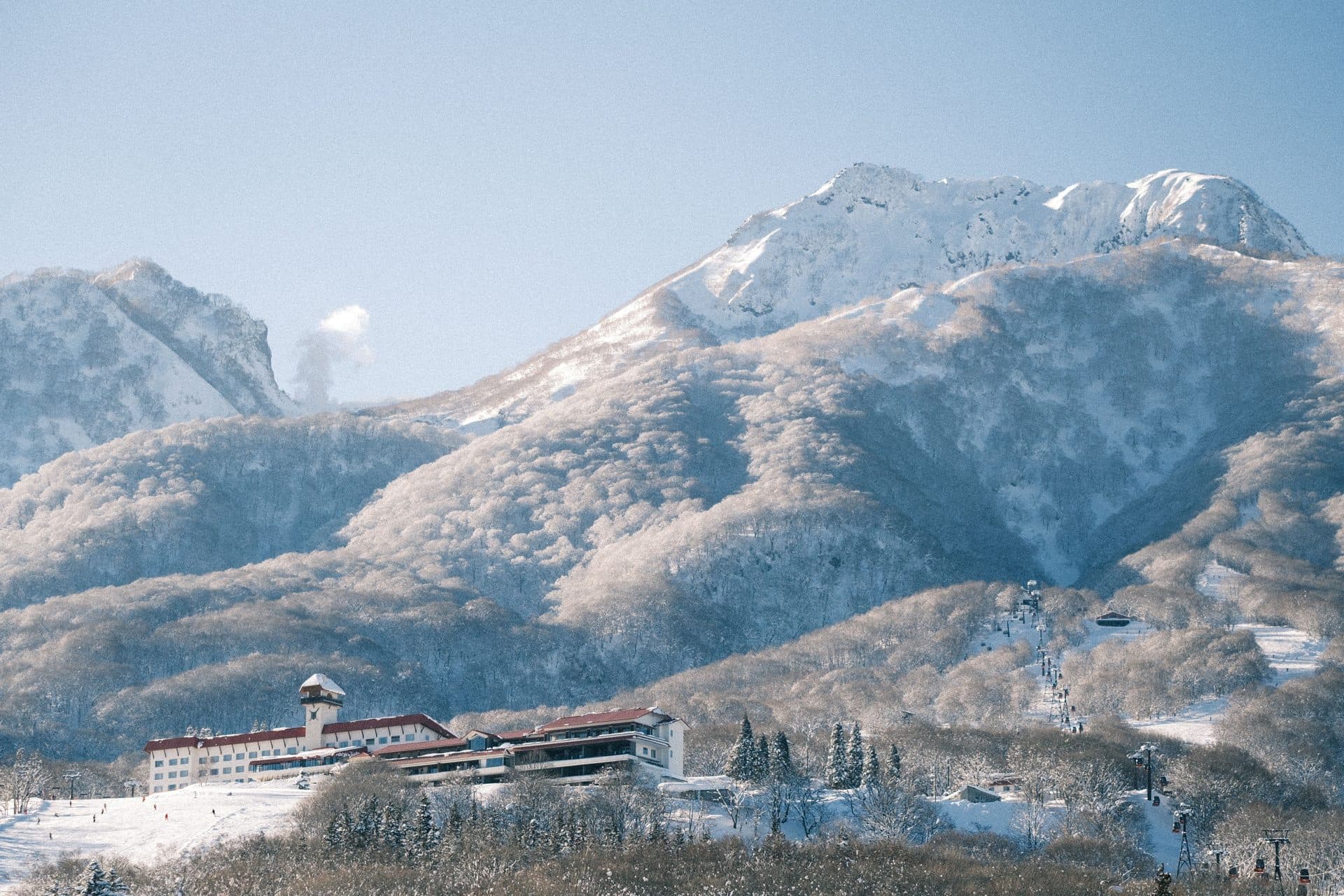
Ski resorts in Hokkaido and the Japanese Alps generally open from late November to mid-December, but opening dates depend on snowfall and each resort sets its own. In early December, runs may be limited; by late December coverage is usually much better at higher, northern resorts. Check the individual resort's site for its 2026–27 opening day before booking anything around it. If you are heading north, the Sapporo Snow Festival 2027 is the reason many people time a Hokkaido trip for February instead.
The year-end and New Year closure reality
New Year (shogatsu) is Japan's most important holiday. Under Japanese law, national government offices are closed from 29 December to 3 January, and most city halls, many companies and most public facilities follow the same pattern. This is the period that catches visitors out, because "closed for the holidays" is much more widespread than in Europe or North America — but it is also selective. Here is the general picture; individual places vary, so check any specific museum, garden or restaurant you care about.
| Type of place | Typical status around 29 Dec–3 Jan | Notes |
|---|---|---|
| Trains (JR, subways, private railways) | Running | Holiday timetables on some days; many urban lines run extra overnight trains on New Year's Eve (check each operator) |
| Shinkansen and long-distance trains | Running, very busy | Reserved seats sell out around the 28th–30th and 2nd–4th |
| Convenience stores | Open | Most open 24 hours as usual; the easiest place for food and ATMs |
| Department stores and malls | Mostly open | Often closed 1 January; New Year sales (fukubukuro lucky bags) start 1–2 January |
| National and city museums | Often closed | Many close for several days around New Year; dates differ by museum |
| Government offices, city halls, post office counters | Closed | Post office counters usually closed 31 Dec–3 Jan; check Japan Post |
| Banks (counters) | Closed | ATMs keep working with some short outages (see below) |
| Independent restaurants | Many closed | Family-run places often close for several days; chains and hotel restaurants mostly stay open |
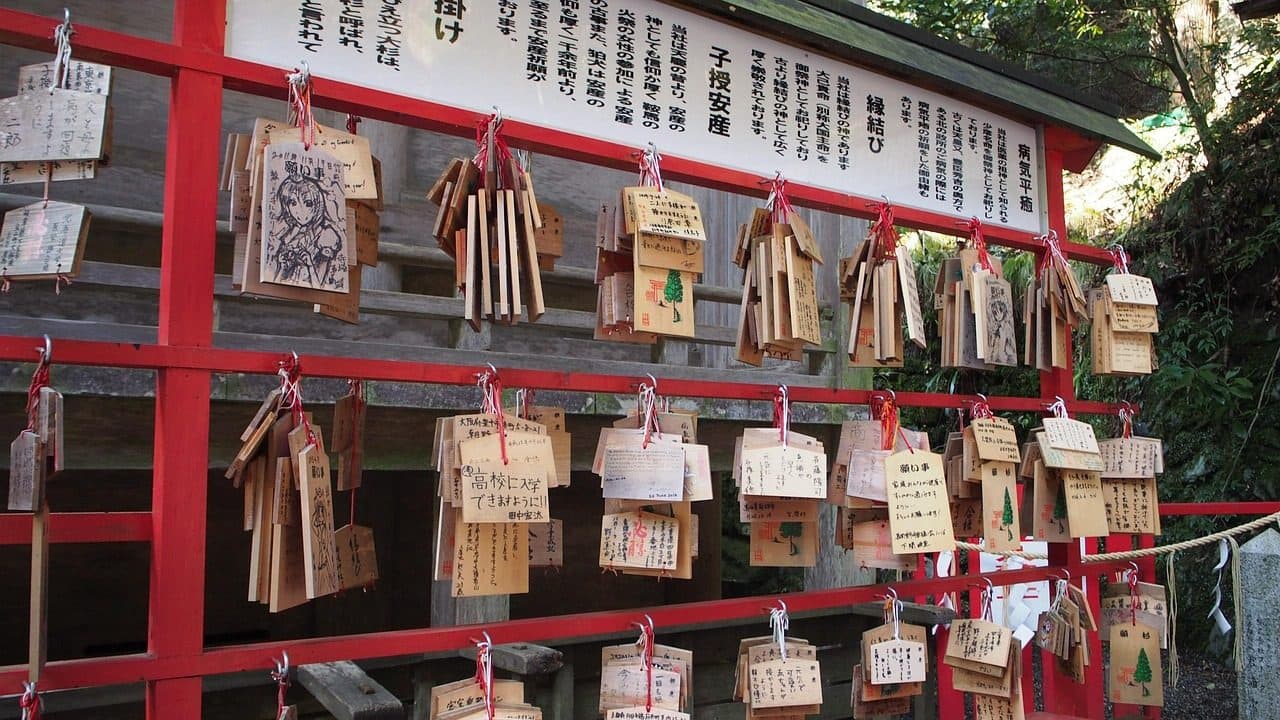
| Shrines and temples | Open, very busy | 1–3 January is peak hatsumode season |
| Theme parks | Open | Often among the busiest days of the year |
If you are in Japan on New Year's Eve, the main traditions are temple bells rung 108 times around midnight and the first shrine visit of the year. Our hatsumode 2027 guide explains how the first shrine visit works, which shrines get the biggest crowds and how to avoid the worst of the queues.
Cash and ATMs over New Year
Japan is far more card-friendly than it used to be, but small shrines, food stalls and some independent restaurants are still cash-only, and New Year is exactly when you will meet them. ATMs at convenience stores and post offices generally keep working through the holiday, but banks schedule short maintenance stops, especially around midnight on 31 December. The 2026–27 schedules had not been published when we checked; they usually appear in late November or December on Japan Post Bank's and Seven Bank's news pages.
One change to note: on 6 October 2026, Japan Post Bank announced that it will start removing its ATMs from FamilyMart stores (about 5,400 machines) from January 2027, phased over roughly three years, with Seven Bank ATMs taking their place. Our guide to ATMs in Japan for foreign cards explains which networks accept overseas cards and what they charge.
Staying connected matters more than usual over New Year, because opening hours are irregular and you will be checking "is this open today?" constantly. Most places update their Google Maps hours and official social accounts, so a working data connection from the moment you land saves a lot of wasted trips.
Crowds and prices around 28 December–3 January
Most people in Japan get several days off around New Year, and many travel to their family home or go on holiday. The result is a short, intense peak: outbound traffic from Tokyo and Osaka around 28–30 December, return traffic around 2–4 January. Shinkansen reserved seats on the main lines fill up quickly on these dates, so book as soon as reservations open (one month ahead) if your route crosses them.
Hotel prices in popular destinations — Kyoto, hot spring towns, ski resorts and Okinawa — typically rise for the 29 December–3 January nights, and the cheapest rooms go first. Big-city business hotels in Tokyo and Osaka are sometimes better value than usual over this period, because business travel stops. If your dates are flexible, the first three weeks of December are noticeably cheaper and quieter than the year-end week.
| If you want… | Best December dates | Why |
|---|---|---|
| Low prices and few crowds | 1–20 Dec | Before the holiday peak; ordinary weekdays are quiet |
| Late autumn colour | 1–7 Dec (Kyoto, Tokyo) | Some gardens and valleys still have colour; varies by year |
| Illuminations and Christmas lights | Mid-December to 25 Dec | All illuminations running; festive atmosphere |
| New Year culture | 30 Dec–3 Jan | Shrine visits, temple bells, New Year food — accept the crowds |
| Skiing | Mid-to-late December onwards | Better snow cover at northern and high resorts than in early December |
A sample 7-day December itinerary
This route works for the first three weeks of December (Tokyo, Kyoto, Osaka) and keeps travel days short. If your seven days fall over 29 December–3 January, swap museum days for shrines, markets and city walks, and book the shinkansen early.
| Day | Base | Plan |
|---|---|---|
| 1 | Tokyo | Arrive; evening walk through a central illumination area and a department store food hall |
| 2 | Tokyo | Asakusa and Senso-ji in the morning; park or avenue for any late ginkgo colour; observation deck at sunset for a clear-day Fuji view |
| 3 | Tokyo | Day trip (Kamakura, Nikko or Hakone) or museums and shopping districts |
| 4 | Kyoto | Shinkansen to Kyoto (about 2 h 15 min); afternoon at Kiyomizu-dera and Higashiyama, early evening in Gion |
| 5 | Kyoto | Early start at Fushimi Inari; afternoon in a garden or temple known for late leaves, or Arashiyama |
| 6 | Osaka | Short train to Osaka; Osaka Castle park, then Midosuji Illumination and Dotonbori in the evening |
| 7 | Osaka | Day trip to Nara or Kobe; fly out from Kansai Airport or return to Tokyo |
Because December days are short — sunset in Tokyo, Kyoto and Osaka is around 16:30 — this plan front-loads outdoor sightseeing in the mornings and leaves the evenings for illuminations, food and indoor attractions. If you are deciding whether a Japan Rail Pass is worth it for a route like this, our JR Pass vs regional passes comparison works through the numbers; a simple Tokyo–Kyoto–Osaka trip is often cheaper with individual tickets.
Still deciding between December and another month? Our month-by-month guide to the best time to visit Japan compares weather, crowds and prices across the year.
Is December a good time to visit Japan?
Yes, especially 1–20 December. Tokyo averages 174 hours of sunshine and about 12°C highs in December (JMA normals), crowds are lighter than in autumn peak, and illuminations run in every major city. The main caveat is the 29 December–3 January holiday, when many museums and small restaurants close and trains are busy.
How cold is Japan in December?
In Tokyo, Kyoto and Osaka, average highs are about 12°C and lows 3–5°C. Sapporo in Hokkaido averages a high of 2°C and a low of −4°C with heavy snow, while Naha in Okinawa averages 21.5°C highs. These are JMA 1991–2020 normals.
Can I still see autumn leaves in Japan in December?
Sometimes, in the first week. Kyoto usually peaks in the second half of November and some spots keep colour into early December; Tokyo's ginkgo and maples tend to run slightly later. It varies each year, so check local foliage reports the week before you go.
What is closed in Japan over New Year?
Government offices are closed 29 December to 3 January, and many museums, post office counters, bank counters and family-run restaurants close for several days. Trains, convenience stores, most chain restaurants, hotels, shrines, temples and theme parks stay open.
Do ATMs work in Japan over New Year?
Generally yes, at convenience stores and post offices, but banks schedule short maintenance stops, especially around midnight on 31 December. The 2026–27 schedules were not published as of mid-October 2026, so check Japan Post Bank and Seven Bank's news pages, and withdraw New Year cash by 28 December.
Is Christmas a holiday in Japan?
No. 25 December is a normal working day and everything runs as usual. Christmas is celebrated with lights, shopping and Christmas Eve dinners, so book popular restaurants for the 24th well ahead.
When are trains and hotels busiest in December?
Around 28–30 December (people leaving the big cities) and 2–4 January (people returning). Book shinkansen reserved seats as soon as they open one month ahead, and expect higher hotel prices in Kyoto, hot spring towns, ski resorts and Okinawa over the New Year nights.