This article contains affiliate links. If you book through them we may earn a small commission at no extra cost to you — it helps keep Authentic Japan free.
The best time to visit Japan isn't a single month. It depends on what you're optimizing for: cherry blossoms, comfortable walking weather, autumn foliage, skiing, festivals, lower prices, or fewer crowds. April and November are often the easiest answers because the scenery is famous and the weather is usually comfortable — which is exactly why they're also the most crowded and expensive.
Japan is climatically long. The JNTO seasons and climate guide notes the country ranges from subarctic Hokkaido to subtropical Okinawa (verified 2026-07). "Japan weather" isn't one thing — Sapporo, Tokyo, Kanazawa, Fukuoka, and Naha can feel like different trips in the same month.
Use this guide as a planning filter, then check city-level forecasts and official transport notices closer to departure. Whichever month you land in, get connected before you leave the airport — a Japan eSIM from Saily installs from a QR code pre-trip so you have maps and translation working the moment you clear immigration.
Quick answer by traveler type
- Late March to early April — if cherry blossoms are the dream and you accept the crowd/price risk.
- May — comfortable weather after the peak spring crush, if you avoid the busiest Golden Week dates (late April–early May).
- October or November — walking weather, food, and foliage, with less bloom-date anxiety than sakura season.
- January or February — snow, onsen, winter food, and lower city crowds.
- July or August — only if festivals, school schedules, Hokkaido, mountains, or beach regions matter more than comfort.
January
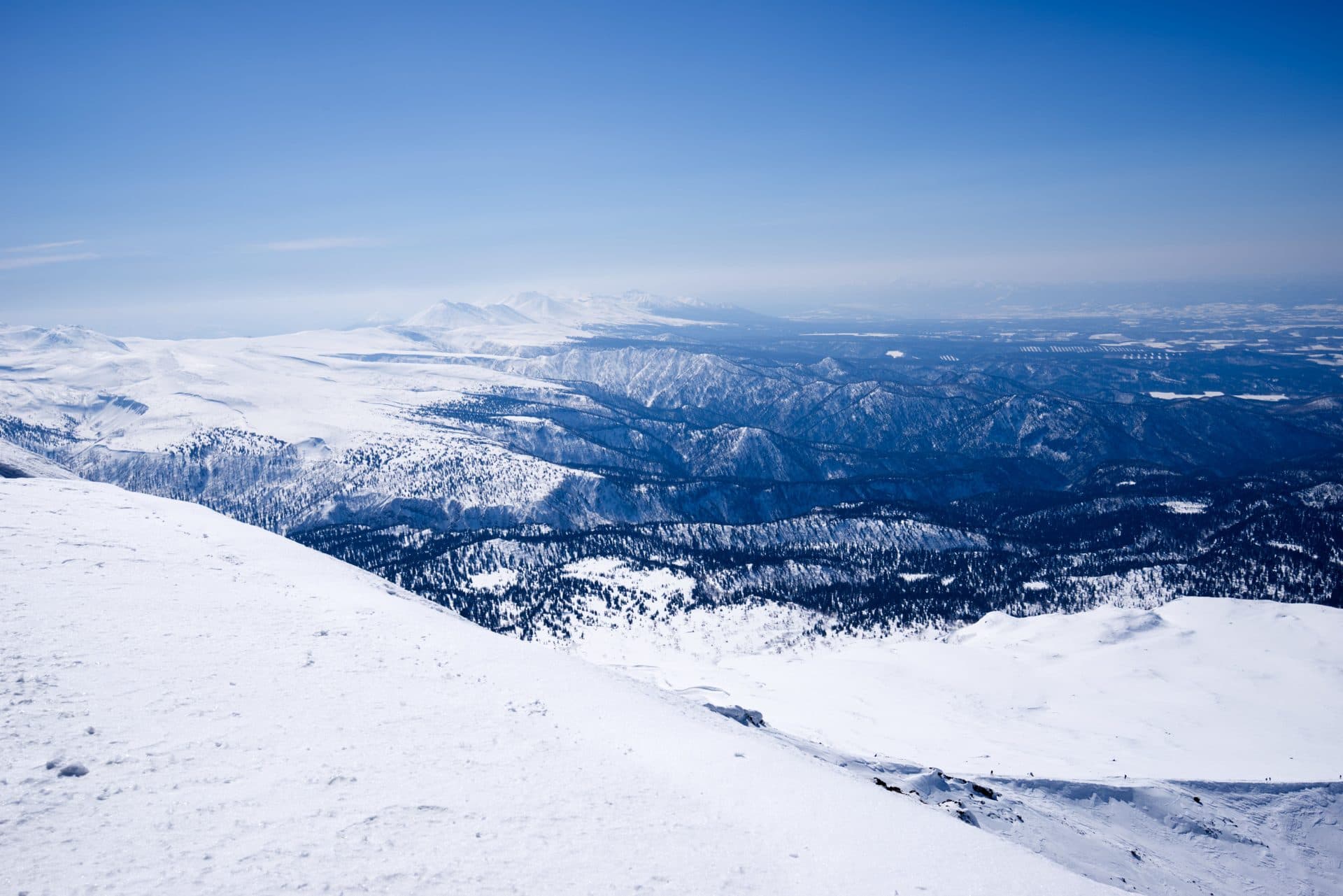
Underrated for cities, excellent for snow regions. Tokyo, Yokohama, Nagoya, Hiroshima, and Fukuoka are cold rather than severe, while Hokkaido, Tohoku, Nagano, Niigata, and mountain areas are proper winter destinations. Clear air can make city viewpoints and Mount Fuji sightlines more reliable than in humid months.
The catch is the New Year period — many businesses close around January 1, shrine visits get busy, and transport is crowded at the holiday edges. After that, January is one of the calmer months for major cities. Best for: snow, onsen, winter food, quieter urban travel.
February
Deep winter in northern Japan and still strong for skiing, snow festivals, hot springs, and crisp city travel. It's also plum blossom season in many areas — a softer early-spring feel without the global cherry blossom rush. For first-timers who don't ski, February works if you like museums, food, clear winter walks, and ryokan stays. Pack for cold evenings, especially around temples and gardens. Best for: snow festivals, skiing, onsen, lower crowds outside event zones.
March
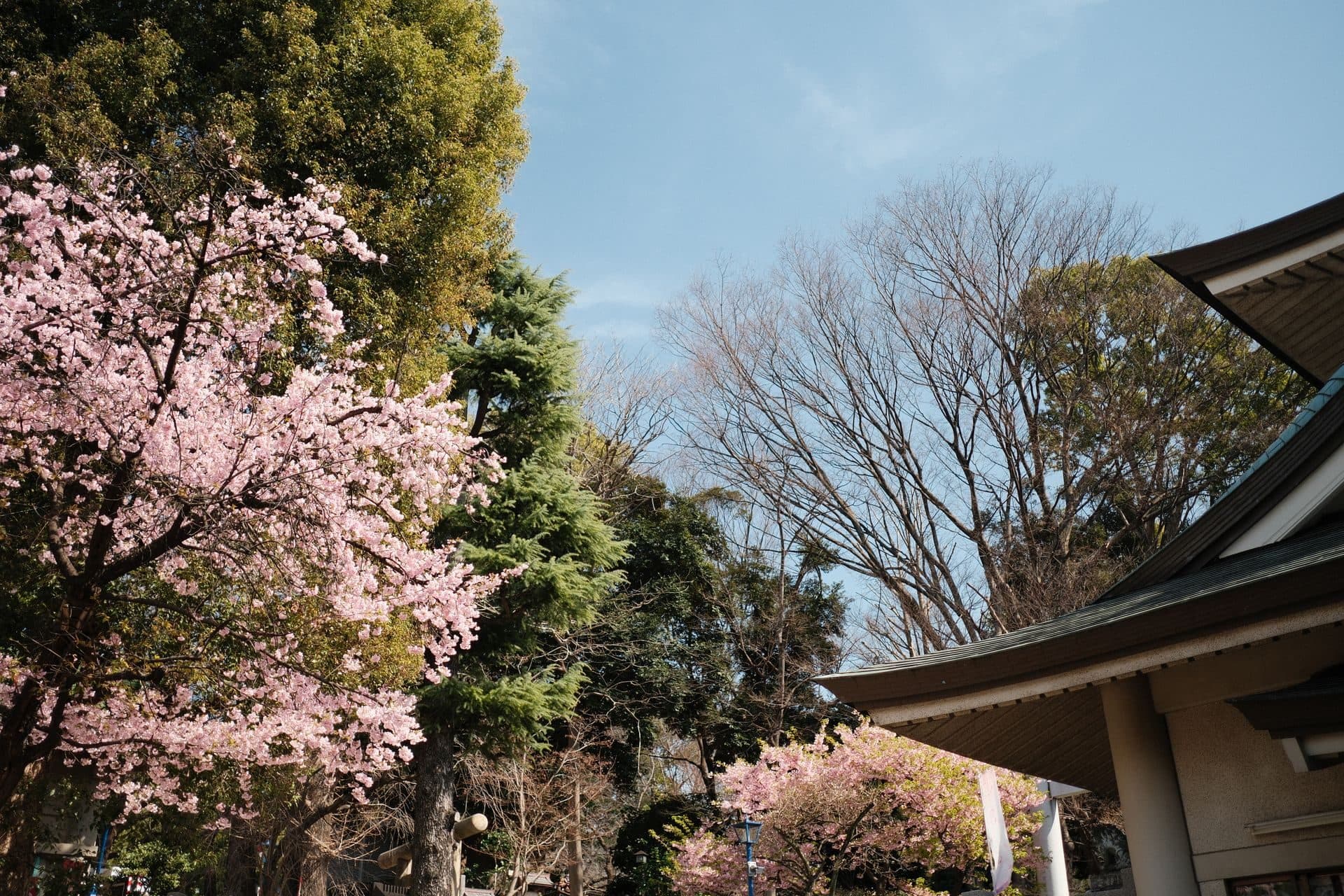
March changes character as it goes. Early March can still feel wintry in the north and cool in central Japan; late March can turn into cherry blossom season in warmer major cities, depending on the year. The mistake is assuming all of March equals sakura — it doesn't. First-half trips should plan for plum blossoms and cool-weather sightseeing; final-third trips should watch cherry blossom forecasts closely and keep plans flexible. Best for: early spring, late-month sakura chances, cool walking weather.
April
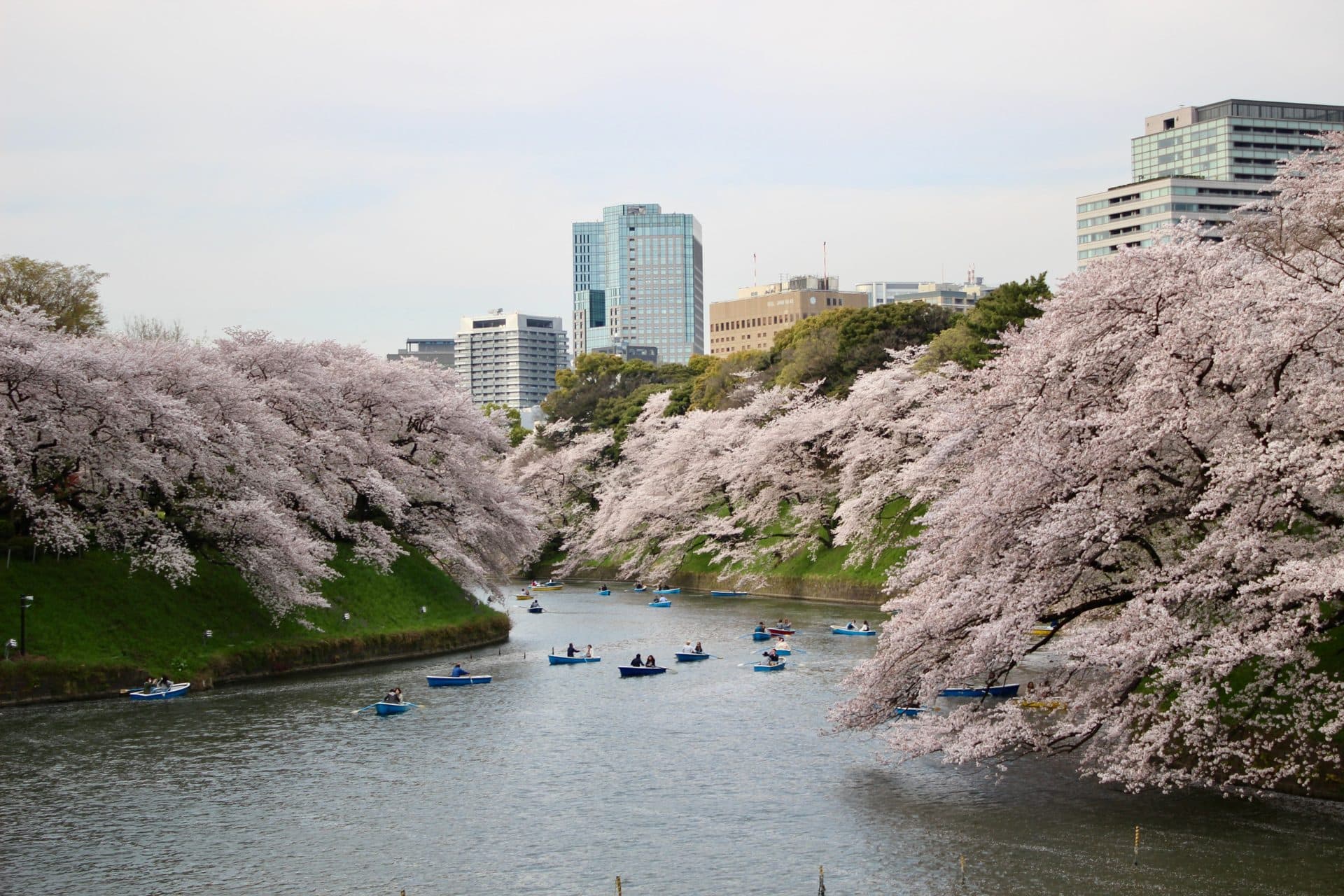
The classic Japan travel month. Cherry blossoms move through many famous regions, temperatures turn comfortable, and gardens, riversides, and castle towns feel alive — which also makes it one of the most competitive months for hotels. Crowds concentrate hard around specific places and dates, so if this is your first trip, book accommodation early, don't build every day around one famous park, and stay regionally flexible if the bloom runs early or late. With hotel and train reservations this tight in April, a 7-day Japan Rail Pass booked as an e-voucher before departure removes at least one line item from the planning list.
Best for: cherry blossoms, first-timer scenery, comfortable walking.
May
One of Japan's best months if you manage the calendar. Golden Week (usually late April into early May) makes transport and hotels expensive and crowded; after that, most of the country has warm-but-not-oppressive weather. Northern cherry blossoms may still be possible early in the month, especially in Hokkaido — elsewhere, May is better for fresh green landscapes, gardens, food, and relaxed city travel. A strong option if you want spring atmosphere without the bloom-date gamble. Best for: post-Golden Week comfort, greenery, first-timer city routes.
June
Japan's rainy season generally runs from the start of June through mid-July, per JNTO (verified 2026-07). Not a failed month, but it asks for the right mindset — hydrangeas, moss gardens, covered shopping streets, museums, food halls, and onsen work well; long outdoor days on a rigid schedule work less well. Rain doesn't usually ruin every hour: pack waterproof shoes, stay near good transport, and avoid itineraries that depend entirely on mountain views. Best for: hydrangeas, quieter travel, indoor-outdoor mix.
July
Starts humid and often rainy, then turns hot. Festivals and fireworks become major draws, but comfort drops across central and western Japan — if you're traveling with children, older relatives, or anyone heat-sensitive, build shorter outdoor blocks and longer indoor breaks. Hokkaido and higher elevations get more attractive; Okinawa works for beach travel, though typhoon risk needs watching across the broader summer. Best for: festivals, Hokkaido, mountains, beach trips with weather awareness.
August
Hot, humid, festive, crowded around Obon travel, and weather-risky — typhoon season peaks around August and September per JNTO (verified 2026-07). That doesn't make every August trip bad, but outdoor and island plans need buffers. If August is your only window, choose accommodations carefully, avoid overpacked sightseeing days, and treat heat management as itinerary design: early starts, midday rests, evening activities, rather than walking 10:00 to 17:00. Best for: festivals, family summer schedules, Hokkaido, mountains, beaches.
September
Transitional — can still feel like summer in many cities, and typhoon risk remains real. The upside: crowds soften after school holidays, and northern or high-elevation areas start moving toward autumn. Workable for first-timers but not the safest weather month; keep travel insurance, flexible bookings, and weather alerts in mind. Best for: lower post-summer demand, early northern autumn, flexible travelers.
October
One of the best all-around months. Heat eases, walking improves, food turns seasonal, and early foliage appears in northern and mountain regions (Tokyo and central lowland cities lean more toward comfort than peak color). Strong for first-timers who want Japan to feel pleasant without competing for cherry-blossom-season rooms, and it suits active itineraries — day trips, hikes, cycling, food neighborhoods, gardens. Best for: comfortable sightseeing, food, early autumn color, first-timers.
November
The autumn answer to April. Foliage reaches many famous lowland destinations — autumn leaves begin in September in Hokkaido and can last into December in southern Japan, per JNTO (verified 2026-07) — and the weather is usually comfortable, with excellent photography. It gets busy, but the viewing window is often less fragile than cherry blossoms. Mix one famous view with smaller gardens, temple grounds, city parks, and regional towns rather than chasing a single spot. Best for: autumn foliage, comfortable walks, food, photography.
December
Early December can still hold late autumn color in warmer and southern areas, while northern Japan (snow generally starts in November across northern Hokkaido, Tohoku, and mountain areas per JNTO, verified 2026-07) moves deeper into winter. City illuminations begin, food gets richer, and hot springs feel especially good. Late December turns into a holiday period with closures and travel pressure around New Year — beautiful, but check opening days carefully. Cold-weather trips mean more device charging at hotels and cafes, so a universal travel adapter with extra USB ports is worth packing before you leave.
Best for: illuminations, onsen, winter food, early-month late foliage.
The practical ranking
For most first-time visitors, the strongest months are April, May after Golden Week, October, November, and early December. For snow travelers, January and February rise to the top. For budget-conscious travelers, rainy season and deep-winter city trips can work — but only if your plans actually fit the weather. The weakest months for general sightseeing comfort are late July and August in central Japan; not impossible, just a different pace.
Final recommendation
For the classic image of Japan, choose late March to early April for blossoms, or November for foliage. For a smoother first trip, choose May after Golden Week or October. For the most distinctive seasonal experience, choose winter in the north or a ryokan-and-onsen route in January or February. The best month is the one whose tradeoffs you actually want.
What is the overall best month to visit Japan?
April and November are often the strongest all-around months for scenery and comfort, but they're also the most popular. May, October, and early December can be easier, less crowded alternatives.
What month should first-time visitors avoid?
Avoid late July and August if you dislike heat and humidity. They can still work for festivals, Hokkaido, mountains, or Okinawa, but they aren't the easiest first-trip months.
Is Japan good in winter?
Yes — winter is excellent for snow, onsen, clear air, and lower crowds in many cities and seasonal food, but northern and mountain regions require proper cold-weather planning.