This article contains affiliate links. If you book through them we may earn a small commission at no extra cost to you — it helps keep Authentic Japan free.
Most first-time visitors pick spring or autumn. Winter is the season people who come back keep choosing: the skies over Tokyo are clear for weeks at a time, the mountains of the north and the Japan Sea coast are buried in snow, hot springs feel the way they are meant to feel, and outside the New Year holidays and the big festivals the major sights are noticeably calmer. This guide covers ten things worth planning a winter trip around, with dates checked against official pages on October 1, 2026. Several of them need booking months ahead, so the ones that sell out are flagged.
| Experience | Where | Best time | Book ahead? |
|---|---|---|---|
| Sapporo Snow Festival | Sapporo, Hokkaido | Feb 4–11, 2027 | Hotels: yes, early |
| Snow monkeys in a hot spring | Jigokudani, Nagano | January–February | Date-specific online ticket in peak winter |
| Shirakawa-go winter light-up | Gifu | 4 evenings in January 2027 | Yes — mandatory |
| Onsen in the snow | Ginzan, Nyuto, Kusatsu and more | December–February | Ryokan: yes |
| Skiing and snowboarding | Niseko, Hakuba and more | Mid-December–March | Lessons and gear: yes in peak weeks |
| Zao's snow monsters | Yamagata | Late January–February | Not usually |
| Winter illuminations | Nationwide | November–February | Only on peak dates |
| New Year: hatsumode and lucky bags | Everywhere | Dec 31–Jan 3 | No, but plan around closures |
| Winter food | Everywhere | All winter | No |
| Clear-sky views of Mt Fuji | Tokyo and Fuji Five Lakes | December–February | Tours: in busy periods |
1. Sapporo Snow Festival (February 4–11, 2027)
Sapporo's official tourism site lists the 2027 Snow Festival for February 4 to 11, across three sites: Odori Park, a 1.5 km stretch of large snow sculptures in the city center; Susukino, the ice-sculpture site in the nightlife district; and Tsudome, the community dome with snow slides and hands-on activities for families. Walking the sites is free. What is not free, or easy, is a hotel: Sapporo fills up for festival week, and prices climb accordingly. If you want to go, book a room now, then plan the rest.
Go to Odori Park twice — once in daylight to see the detail on the sculptures, and once after dark when they are lit. Our Hokkaido winter guide covers Otaru, Niseko and Furano for the rest of the trip. Late January to February is also the season for the Lake Shikotsu Ice Festival, an easy half day from Sapporo.
2. Snow monkeys in a hot spring (Jigokudani, Nagano)
Wild Japanese macaques soaking in a steaming outdoor pool while snow falls around them is one of the most recognizable winter images of Japan, and it is real. Jigokudani Monkey Park is in the mountains above Yudanaka in Nagano Prefecture, reached by a forest walk of roughly half an hour. There is usually snow from December to March, and January and February are the classic months.
Two things have changed. The park is open 9:00 to 16:00 from November to March, and in peak winter visitors now need a date-specific advance online ticket to be admitted — the park introduced the system in 2026 because of crowding. The adult fee listed on the official information page is ¥800 at the time of writing. Buy the ticket as soon as your date is fixed, and go early in the day.
3. Shirakawa-go's winter light-up (January 2027 — booking required)
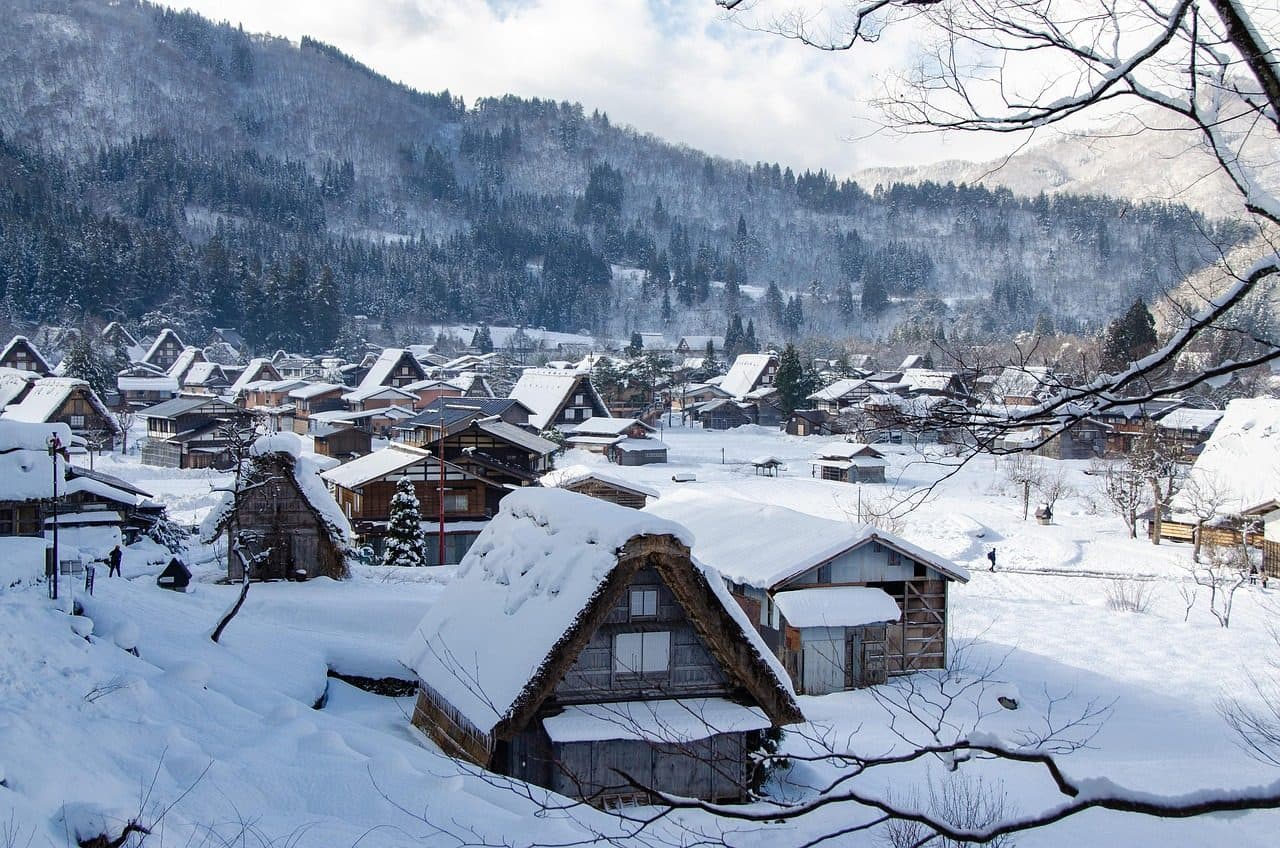
The thatched farmhouses of Shirakawa-go under snow are the image at the top of this page. On four evenings each winter the village is lit up, and in 2027 those dates are January 11, 17, 24 and 31, from 17:30 to 19:30. The village tourism association is explicit that every visitor needs an advance reservation — people who turn up on the day without one are not admitted.
There are three realistic ways in: stay overnight in the village, join a bus tour, or reserve a parking space if you are driving. The overnight option is a lottery, and applications for it run from October 1 to October 31, 2026. The first round of parking reservations has already sold out; a second round opens on December 1. Bus tours are the most practical route for most overseas visitors, and they go on sale from October. If the light-up does not fit your dates, a daytime visit to Shirakawa-go in the snow is still worth the trip on its own.
4. A hot spring with snow on the rocks
An outdoor bath (rotenburo) is better in winter than in any other season: your body is in hot water, your face is in freezing air, and snow is piling up on the stones around you. The famous snow-country onsen towns — Ginzan in Yamagata, Nyuto in Akita, Kusatsu in Gunma, Nozawa in Nagano — are at their best now. If you only have Tokyo days, a night in Hakone or another onsen town near Tokyo gives you most of the experience.
Ginzan Onsen, the lantern-lit town that became famous online, now manages winter crowds: last winter, day visitors arriving by car or bus had to transfer to a shuttle, and evening entry was capped and ticketed, while overnight guests were exempt. The 2026–27 rules had not been published when we checked, so look at the town's official winter page before you go — or simply stay the night. Before your first bath, read our onsen etiquette guide.
5. Ski or snowboard on Japan's powder
Japan's snow is famously light and dry, and the resorts are easy to reach. Niseko in Hokkaido is the international-friendly choice, with English everywhere; Hakuba in Nagano works well from Tokyo; and there are smaller resorts across Tohoku and Niigata where you will mostly be skiing with Japanese families. The season generally runs from mid-December to March, with the deepest snow in January and February. If you have never skied before, a lesson on day one saves the rest of the trip.
6. Zao's "snow monsters" (Yamagata)
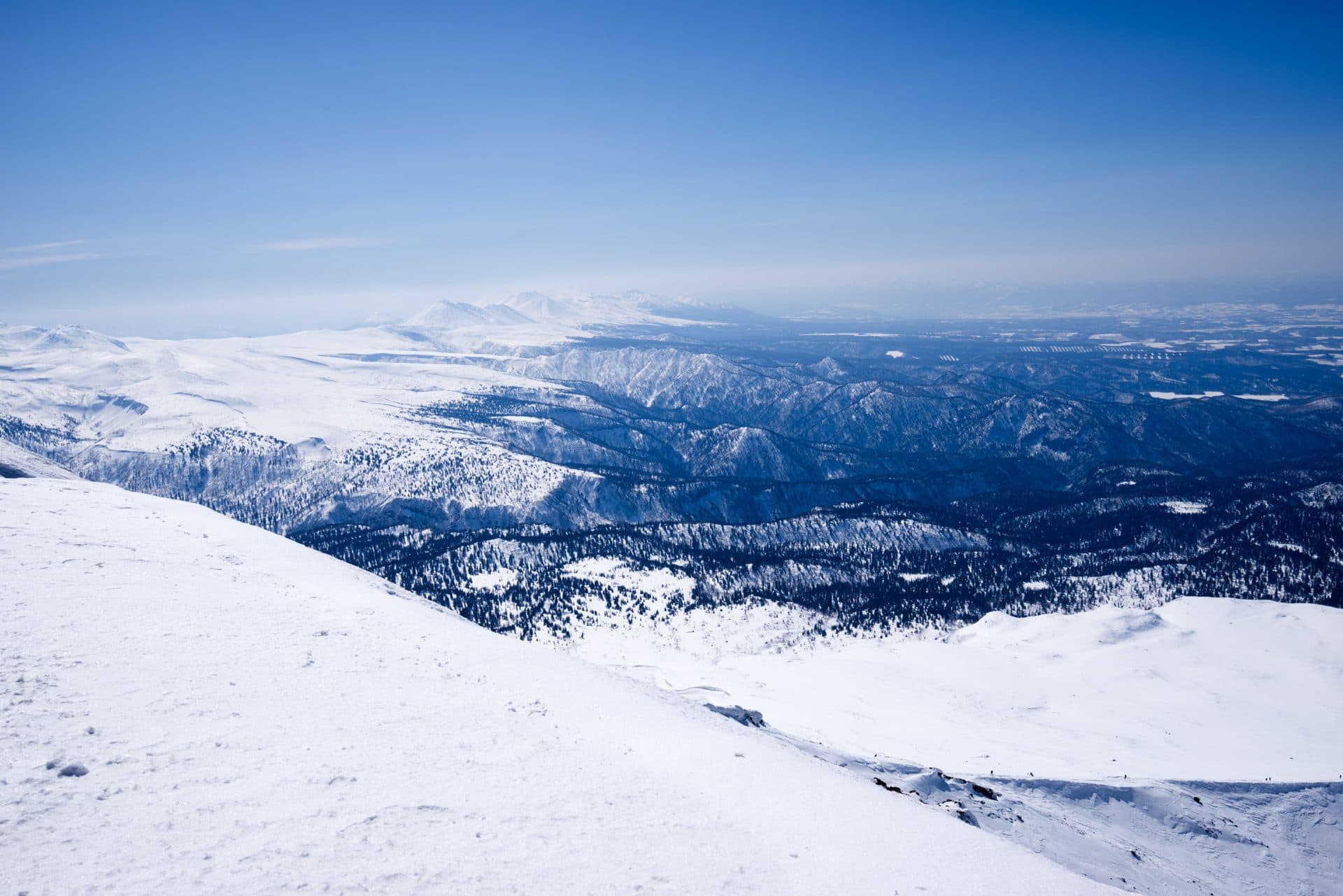
On the upper slopes of Mt Zao, wind-driven ice and snow coat the fir trees until they turn into huge white shapes the Japanese call juhyo — "snow monsters." A ropeway takes you up among them, and they are at their most dramatic from late January into February. On selected evenings they are lit up; the 2026–27 light-up dates had not been announced when we checked (last season ran on chosen nights from late December to late February), so look for the official schedule from late autumn. Combine it with a night in Zao Onsen at the foot of the mountain.
7. Winter illuminations
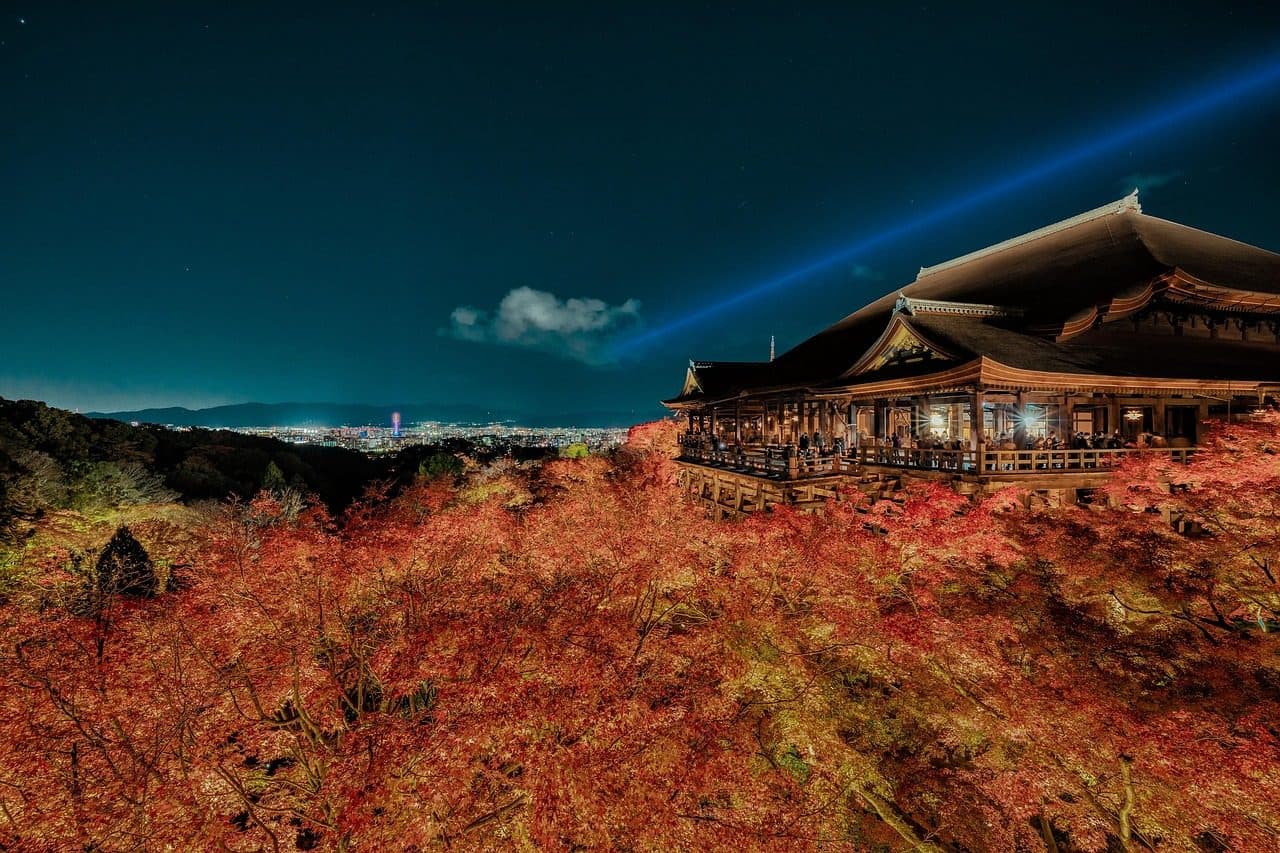
From November, Japanese cities and gardens put up elaborate light displays, and they are a big part of how Japanese people spend winter evenings. Tokyo's are spread across Marunouchi, Roppongi and the shopping districts and cost nothing. The most ambitious is Nabana no Sato near Nagoya, which runs its 2026–27 illumination from October 17, 2026 to May 31, 2027. Two details from its official page matter: it is closed on January 6 and 7, and on December 23 to 25 you can only enter with a date-specified ticket bought in advance.
Kobe Luminarie, the city's memorial illumination for the 1995 earthquake, has recently been held in late January and early February — the 2026 edition ran from January 30 to February 8. The 2027 dates had not been announced when we checked.
8. New Year: shrine visits and lucky bags
New Year is Japan's biggest holiday, and it is a family one, closer to Christmas in the West than to a party night. Around midnight on December 31, temples ring their bells 108 times, and over the first days of January millions of people make hatsumode, the year's first shrine visit. Joining the crowd at a big shrine like Meiji Jingu in Tokyo or Fushimi Inari in Kyoto is an experience in itself. Then come the hatsuuri first sales, when stores sell fukubukuro — sealed "lucky bags" priced well below the value of their mystery contents.
9. Eat the winter food
Winter is when Japanese food is at its most comforting. Nabe hot pots shared at the table, crab and oysters from the cold seas, roasted sweet potatoes sold from trucks, and oden — fish cakes, daikon and eggs simmered in broth — at every convenience store counter. Even the vending machines change: from autumn, they start selling hot drinks, marked with a red label. Our convenience store food guide covers how to order oden without speaking Japanese.
10. See Mt Fuji on a clear winter day
Mt Fuji hides behind haze and cloud for much of the summer. Winter's dry, cold air is when it is most reliably visible, and on clear mornings you can see the snow-capped cone from Tokyo itself. For the best city views, see our observation deck guide; for a closer look, a day trip to the Fuji Five Lakes is easiest with a tour.
How to plan a winter trip by month
- December — illuminations everywhere, the start of the ski season, quiet sightseeing before the holidays. Avoid needing banks or small restaurants from about Dec 29.
- Early January — New Year shrine visits and sales, then a quiet stretch after the holidays end, which is one of the calmest times of the year at the big sights. Shirakawa-go light-up evenings fall on Jan 11, 17, 24 and 31 in 2027.
- Late January–February — the deepest snow: snow monkeys, Zao's snow monsters, powder skiing and the Sapporo Snow Festival (Feb 4–11, 2027). Expect busier periods around the Lunar New Year, when many visitors from East Asia travel.
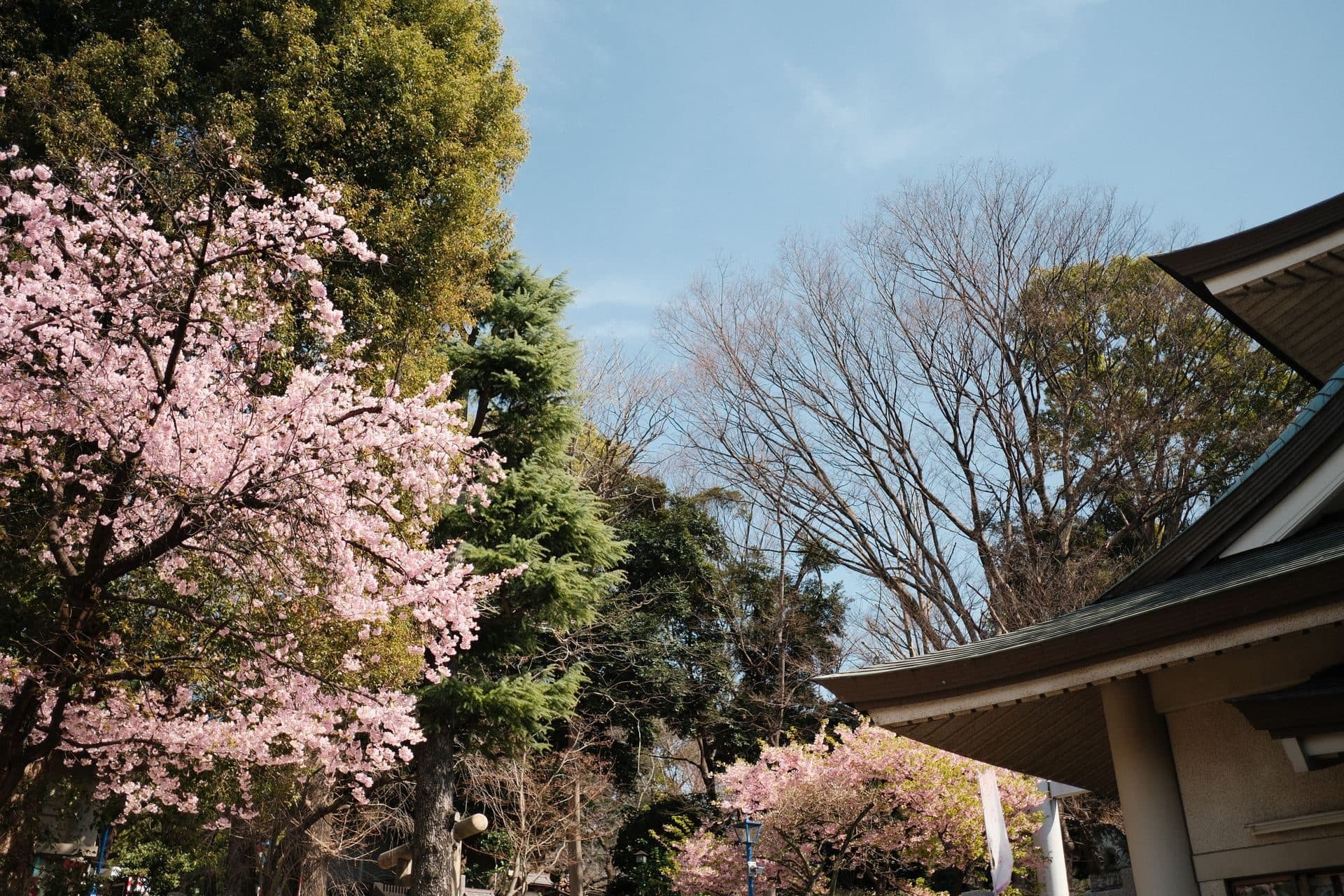
- Late February — the first plum blossoms open in Tokyo and Kyoto, a quiet preview of spring.
Pack for two climates: warm layers and waterproof boots for snow country, lighter layers for the dry cold of Tokyo and Kyoto, where buildings and trains are well heated. For connectivity in the mountains, an eSIM set up before you fly is simpler than hunting for Wi-Fi. For the rest of the year, see the best time to visit Japan, month by month.
Is winter a good time to visit Japan?
Yes. Winter brings clear skies on the Pacific side (Tokyo, Kyoto, Osaka), heavy snow in Hokkaido and the mountains, the best season for hot springs and skiing, and festivals like the Sapporo Snow Festival. Outside the New Year holidays and the big events, major sights are often calmer than in spring or autumn.
When is the Sapporo Snow Festival in 2027?
February 4 to 11, 2027, at Odori Park, Susukino and Tsudome, according to Sapporo's official tourism site. Entry to the sites is free, but hotels fill up early, so book accommodation first.
Do I need a reservation for the Shirakawa-go winter light-up?
Yes. The 2027 light-up runs on January 11, 17, 24 and 31 from 17:30 to 19:30, and every visitor needs an advance reservation — through an overnight stay in the village (lottery applications October 1–31, 2026), a bus tour, or a parking reservation. Visitors without one are not admitted.
What is closed in Japan over New Year?
From around December 29 to January 3, many restaurants, small shops, banks and offices close, and department stores close on January 1. Convenience stores, hotel restaurants, many chain restaurants, outlets and large electronics stores stay open, and trains run throughout.