This article contains affiliate links. If you book through them we may earn a small commission at no extra cost to you — it helps keep Authentic Japan free.
This guide is for travelers who want to fit Takayama into a Japan trip without turning it into a blur of trains and buses: first-timers coming from Nagoya, Osaka or Kanazawa, and anyone wondering whether Shirakawa-go can be squeezed in on the same visit. Takayama is a mountain town in Gifu Prefecture with a preserved merchant quarter (Sanmachi), two morning markets, sake breweries, and the only surviving Edo-period government office of its kind in Japan.
The short answer: one full day covers the old town well if you start at the morning market and finish at Takayama Jinya before it closes. Shirakawa-go is about 50 minutes away by express bus, so the comfortable plan is two nights in Takayama — one day for the town, one half-day for Shirakawa-go. Hours, fees and travel times below were checked on official sites (Takayama city tourism, Takayama Jinya, Shirakawa-go Tourist Association, Nohi Bus) on 13 October 2026.
How to get to Takayama
Takayama has a JR station on the Takayama Line, served by the Limited Express Hida. Most people arrive from Nagoya; there is also a smaller number of Hida trains that run through from Osaka, and highway buses link Takayama with Kanazawa, Toyama, Matsumoto and Nagoya. Times below are the approximate figures given by the official Hida Takayama tourism site.
| From | How | Approx. time | Notes |
|---|---|---|---|
| Nagoya | JR Limited Express Hida | About 140 min | The main route; several trains a day |
| Nagoya | Highway bus (JR Tokai Bus / Meitetsu / Nohi) | About 165 min | Departs Meitetsu Bus Center; cheaper than the train |
| Osaka | JR Limited Express Hida (through service from Osaka Station) | About 255 min | Few departures — or take the shinkansen to Nagoya and change to the Hida |
| Kyoto / Osaka | Shinkansen to Nagoya + Hida | About 50 min + 140 min from Shin-Osaka | More flexible timing than the direct train |
| Kanazawa | Highway bus (Hokutetsu / Nohi) | Around 2 hours+ | Many services stop at Shirakawa-go on the way — see below |
| Toyama | JR Limited Express Hida | About 90 min | Useful if you are coming from the Hokuriku side |
| Matsumoto | Highway bus (Alpico / Nohi) | About 150 min | Goes over the mountains; check winter operation |
Japan Rail Pass: the official Hida Takayama access page states that the JR Pass can be used on these JR train lines, and the Hida is a JR limited express, so a valid pass covers the Nagoya–Takayama and Toyama–Takayama trains (reserve a seat at a JR ticket office or machine). The pass does not cover the highway buses, including the Takayama–Shirakawa-go–Kanazawa route. Whether a nationwide pass pays off for this trip depends on your whole itinerary; our JR Pass vs regional passes comparison walks through the math, including the Hokuriku-area passes.
In busy periods (Golden Week, the festival days, autumn weekends) the Hida can sell out of reserved seats and JR sometimes runs it all-reserved. Book your seat as soon as you know your travel date rather than planning to walk on.
Takayama at a glance: hours and fees (October 2026)
| Place | Hours | Admission | Notes |
|---|---|---|---|
| Miyagawa Morning Market | 7:00–noon (Apr–Nov); 8:00–noon (Dec–Mar) | Free | Open all year; about 350 m along the river, roughly 60 stalls; fewer in rain or winter |
| Jinya-mae Morning Market | Same hours as Miyagawa | Free | Small market in front of Takayama Jinya |
| Sanmachi (old merchant quarter) | Street is always open; shops roughly daytime | Free to walk | About 12 min on foot from JR Takayama Station |
| Takayama Jinya | 8:45–17:00 (Apr 1–Oct 31); 8:45–16:30 (Nov 1–Mar 31) | Adults ¥500; 18 and under free | Ticket window closes 30 min before closing; closed Dec 29–Jan 3 |
| Hida Folk Village (Hida no Sato) | 8:30–17:00, all year | Adults ¥700; elementary/junior high ¥200 | About 10 min by Sarubobo Bus (¥210 one way) from the Nohi Bus Center |
| Festival Floats Exhibition Hall | Daytime | Check on the day | Displays a rotating selection of the autumn festival floats |
A timed one-day route through the old town
This route assumes you slept in Takayama the night before (strongly recommended) and are visiting between April and November, when the markets start at 7:00. In winter, shift the first two stops one hour later. Everything in the old town is walkable; the only transport you might need is the short bus to Hida Folk Village.
| Time | Stop | What to do |
|---|---|---|
| 7:00–8:15 | Miyagawa Morning Market | Walk the riverside stalls: vegetables, pickles, miso, sweets, small crafts. Breakfast snacks rather than a full meal |
| 8:15–8:45 | Jinya-mae Morning Market | Short look, then queue for the Jinya as it opens |
| 8:45–10:00 | Takayama Jinya | The former government office. Allow about an hour; shoes off inside |
| 10:00–12:00 | Sanmachi and side streets | Merchant houses, sake brewery shops, miso and craft stores. Busiest around midday |
| 12:00–13:00 | Lunch | Hida beef, Takayama ramen or soba — see the food section |
| 13:30–16:00 | Hida Folk Village or Festival Floats Exhibition Hall | Pick one: rural farmhouses (Folk Village) or festival craft (Floats Hall) |
| 16:00–18:00 | Back to Sanmachi / river | Quieter once day-trip tours leave; good for photos and sake shops |
| Evening | Dinner | Many old-town shops close early — book or plan dinner near the station |
If you only arrive mid-morning on a train from Nagoya, flip the order: Sanmachi first, lunch, then Takayama Jinya in the afternoon (watch the 16:30 last entry in summer, 16:00 from November), and save the market for the next morning.
Miyagawa and Jinya-mae morning markets
The Miyagawa market runs along the east bank of the Miyagawa River between Kaji-bashi and Yayoi-bashi bridges. On a good day there are around 60 stalls; the city's own listing warns that the number can drop to about 10 in rain or in winter, so keep expectations flexible in January. Stall-holders start setting up around 6:00, and the official guidance is that early-morning visits give you the most local feel. The Jinya-mae market, in the square in front of Takayama Jinya, keeps the same hours and is much smaller — a five-minute stop.
Good things to try or buy: fresh seasonal fruit, Hida pickles, miso in small tubs, rice crackers, and sarubobo (the faceless red good-luck dolls you will see everywhere in town). Most stalls are cash-first, so carry coins and small notes.
Sanmachi: the old merchant quarter
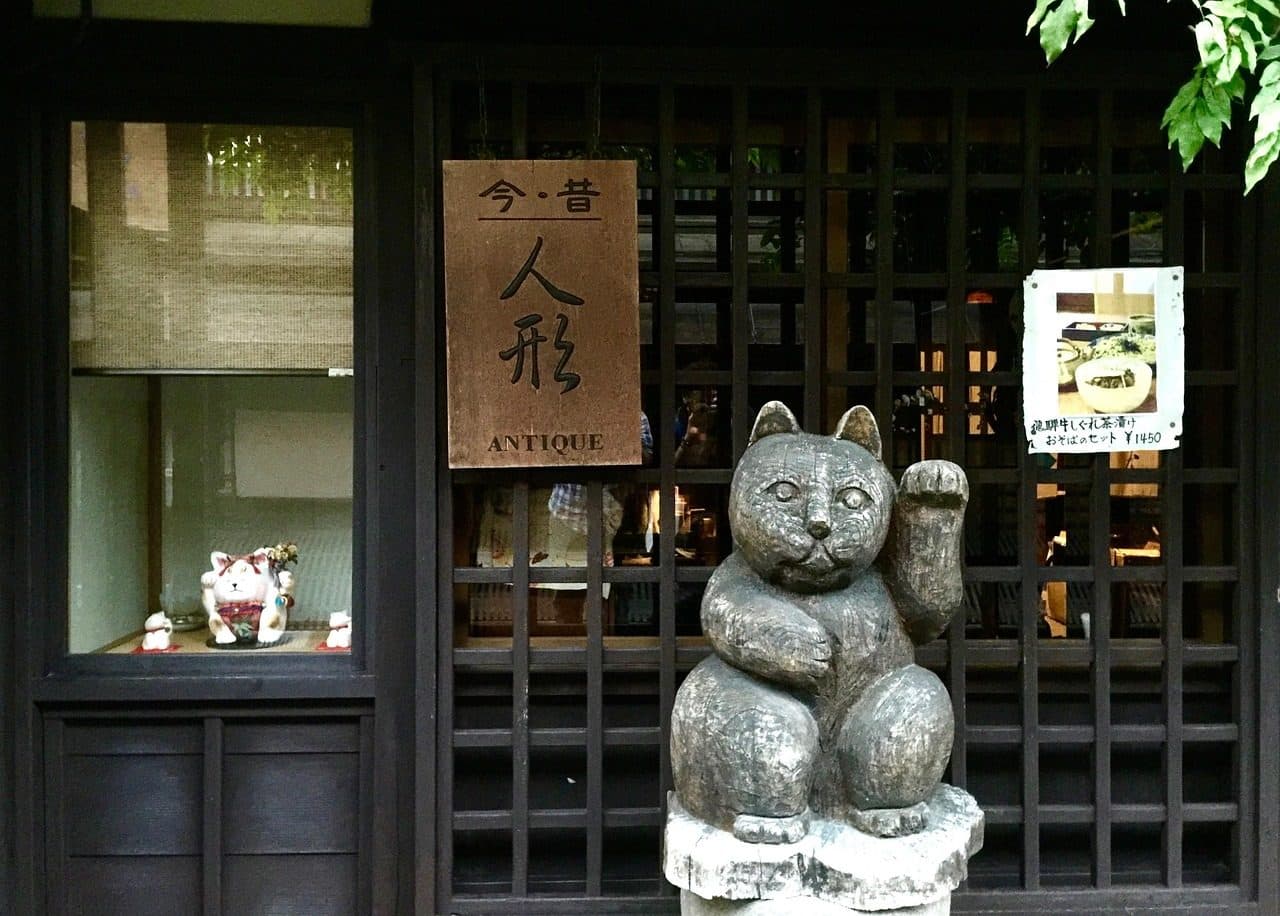
Sanmachi (the "three streets" of Kami-ichinomachi, Kami-ninomachi and Kami-sannomachi) is the image everyone has of Takayama: dark latticed townhouses, narrow water channels, and sake breweries marked by a ball of cedar leaves (sugidama) hanging over the entrance. Several breweries sell tastings from the shop front; it is a pleasant stop, but pace yourself if you plan to visit more than one.
The main lanes fill with tour groups from late morning to mid-afternoon. Walk one block east or west into the parallel streets and the crowds thin noticeably, and the shops there are often more craft-focused (woodwork, lacquer, textiles, kitchen goods) than the souvenir-heavy main strip.
Takayama Jinya
Takayama Jinya is the former local government office of the shogunate, used for administration for about three centuries until 1969. It is the only remaining jinya in Japan where the main building survives, and it is the one paid interior almost every first-time visitor should see: tatami rooms, the old rice storehouse, and the white-sand court where cases were heard.
Practical rules from the official guide: shoes come off at the entrance and are not allowed inside; bring a shoe bag (a recycled plastic bag is provided if you forget). There are no slippers in winter and the building is unheated, so in cold months wear thick socks. Admission is ¥500 for adults and free for anyone 18 or under.
Hida Folk Village or the Festival Floats Hall?
Hida Folk Village is an open-air museum of more than 30 relocated farmhouses and rural buildings — including thatched gassho-zukuri houses of the same style as Shirakawa-go. Choose it if you like architecture or if you are not going to Shirakawa-go, because it gives you a taste of that landscape. The Festival Floats Exhibition Hall shows a rotating selection of the ornate wooden floats used in the autumn festival; choose it if you are interested in carving, lacquer and festival culture. Doing both in one afternoon is possible but rushed.
Adding Shirakawa-go
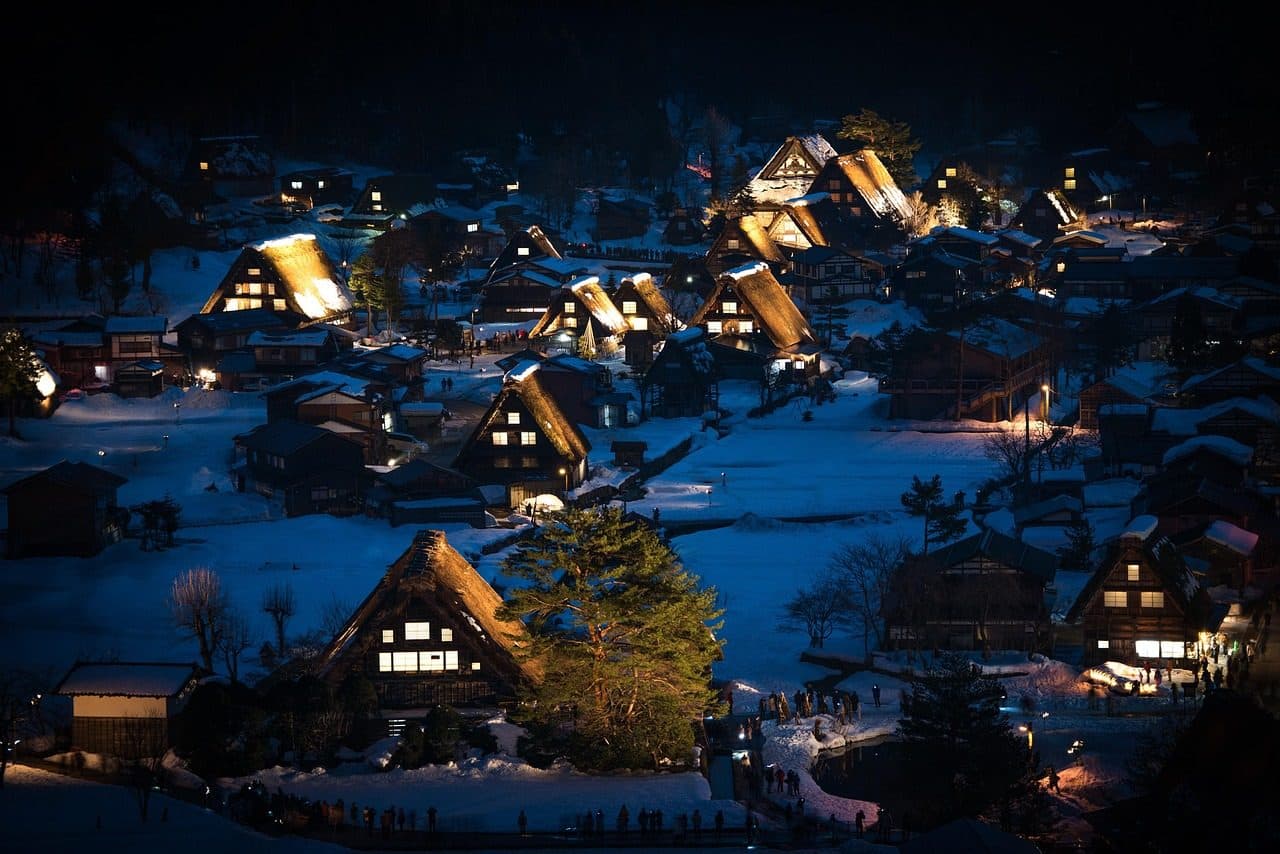
Shirakawa-go (Ogimachi village) is a UNESCO World Heritage village of steep thatched farmhouses in the mountains between Takayama and Kanazawa. There is no train; you go by express bus. According to the Shirakawa-go Tourist Association, the bus from Takayama takes about 50 minutes and the bus from Kanazawa Station about 1 hour 20 minutes to the Shirakawa-go Bus Terminal, which is a one-minute walk from the village. Nohi Bus operates the Takayama route (with Hokutetsu on the Kanazawa side), and its English site notes that reservations are required on some services.
Practical rules of thumb: reserve your bus seats as soon as your dates are fixed, especially for autumn weekends, the winter light-up season and any Japanese public holiday — the buses are the only public link, and full means full. Fares and timetables change by season, so check the current Nohi Bus timetable before you plan the day rather than relying on figures quoted in blogs.
| Option | How it works | Best for |
|---|---|---|
| Half-day from Takayama | Morning bus out, 2–3 hours in the village, bus back to Takayama | Two-night Takayama stays; the simplest version |
| Takayama → Shirakawa-go → Kanazawa | Stop off with luggage on the way to Kanazawa (or the reverse) | Travelers continuing to the Hokuriku coast |
| Guided day tour from Nagoya | Coach tour covering Shirakawa-go and Takayama old town in one day | People short on time who don't want to manage bus bookings |
| Overnight in Shirakawa-go | Stay in a farmhouse inn and see the village after the day buses leave | Photographers and slow travelers — book far ahead |
If you are deciding between a quick visit and staying the night in the village, we cover that question in detail in Shirakawa-go: day trip or overnight?. If you are carrying large suitcases on the Takayama–Kanazawa through route, check luggage storage at the Shirakawa-go terminal before you go; in peak periods lockers and storage can fill early.
If you would rather not juggle bus reservations at all, a guided coach tour from Nagoya covers both places in one long day. You get far less time in Takayama than our route above, but transport and timing are handled for you.
A simple two-night plan
| Day | Morning | Afternoon | Evening |
|---|---|---|---|
| Day 1 | Train from Nagoya (Hida, about 140 min) or bus from Kanazawa | Check in; first walk through Sanmachi and the river | Hida beef dinner near the station or old town |
| Day 2 | Miyagawa market from 7:00, Jinya-mae market, Takayama Jinya at 8:45 | Sanmachi side streets, Festival Floats Hall or Hida Folk Village | Sake shop, quiet evening walk |
| Day 3 | Morning express bus to Shirakawa-go (about 50 min) | Village walk and viewpoint; continue to Kanazawa (about 1 hr 20 min) or return to Takayama | Kanazawa, or train back toward Nagoya |
With only one night, keep Day 2 as written and go to Shirakawa-go on the afternoon bus, continuing to Kanazawa that evening. It works, but you lose the slow evening in Takayama that makes the town worth staying in.
Where (and how) to eat Hida beef
Hida beef is the region's branded wagyu, and you will see it in many forms in the old town. Rather than looking for "the best" shop, decide which format you want first, because prices and queues vary enormously:
- Street snacks in Sanmachi — grilled skewers, beef buns, croquettes and seared-beef nigiri served on a rice cracker. Quick, cheap compared with a sit-down meal, and the best way to try it if your budget is tight. Expect lines around noon.
- Set lunches — many restaurants around the old town and station offer Hida beef bowls or hoba-miso sets (beef grilled with miso on a dried magnolia leaf, a local specialty). Lunch is usually the better-value meal of the day.
- Yakiniku or steak dinners — the full experience. Reserve, particularly on weekends, because some of the well-known places fill up.
- Ryokan dinners — many Takayama inns include Hida beef in the evening course. If you are staying in one, you may not need to plan a separate beef meal at all.
We don't list prices here because they change by cut, grade and shop; check the posted menu before ordering. Beyond beef, try Takayama ramen (a light soy-based broth with thin curly noodles), mitarashi dango (grilled rice dumplings brushed with soy), and local sake. Many places in the old town close by late afternoon, so plan dinner around the station area or book ahead.
Winter and the seasons
Takayama sits in the mountains and is far colder than Tokyo, Kyoto or Nagoya; snow on the ground is normal from about December to February. The town is beautiful in snow, but adjust the plan: the morning market opens at 8:00 instead of 7:00 from December to March and has fewer stalls, Takayama Jinya closes at 16:30 from November and is unheated inside, and snow can delay highway buses over the mountain passes. Wear waterproof shoes with grip — the stone and wooden surfaces in the old town get slippery. For a wider view of what winter travel in Japan looks like, see things to do in Japan in winter.
Autumn brings colorful foliage to the surrounding hills, usually a little earlier than in Kyoto because of the altitude; our autumn foliage regional map shows typical timing by region. Spring and early summer are the easiest seasons for walking and for the Shirakawa-go bus connection.
The Takayama Festival
Takayama holds two festivals a year, on fixed dates: the Spring Takayama Festival (Sanno Matsuri) on April 14 and 15 and the Autumn Takayama Festival (Hachiman Matsuri) on October 9 and 10, according to the official Hida Takayama tourism site. Ornate floats are displayed in the streets, with marionette performances and an evening festival when the floats are lit with lanterns. The official pages note that the main processions and performances are cancelled — not postponed — in rain. The 2026 festivals have already taken place; the next is the spring festival on 14–15 April 2027. Accommodation fills up very early for both festival dates, so book months ahead if you are planning around them.
FAQ
Is one day enough for Takayama?
One full day is enough for the morning market, Takayama Jinya, Sanmachi and one museum if you start around 7:00–8:00. A night before and after makes it far more relaxed, and two nights let you add Shirakawa-go without rushing.
Can I do Takayama and Shirakawa-go in one day?
Yes, but you will see both only briefly. The express bus between them takes about 50 minutes each way. Guided tours from Nagoya do this combination in a single long day; independently, staying overnight in Takayama is the more comfortable option.
Does the Japan Rail Pass cover travel to Takayama?
Yes for JR trains: the Limited Express Hida from Nagoya, Osaka or Toyama is a JR service covered by the Japan Rail Pass, with free seat reservations. Highway buses, including the Shirakawa-go buses, are not covered.
Do I need to reserve the bus to Shirakawa-go?
Nohi Bus states that reservations are required on some services, and peak days sell out. Book as soon as your dates are fixed and check the current timetable on the Nohi Bus website.
What time do the Takayama morning markets open?
Both the Miyagawa and Jinya-mae markets run from 7:00 to noon from April to November and from 8:00 to noon from December to March, all year round. Admission is free.
How much is Takayama Jinya?
As of October 2026, adult admission is ¥500 and visitors aged 18 or under enter free. It opens at 8:45 and closes at 17:00 (April–October) or 16:30 (November–March), with last tickets 30 minutes before closing.
When is the Takayama Festival?
Every year on April 14–15 (spring) and October 9–10 (autumn). Main events are cancelled, not postponed, if it rains.