This article contains affiliate links. If you book through them we may earn a small commission at no extra cost to you — it helps keep Authentic Japan free.
This guide is for travellers deciding how much time to give Kanazawa — usually as a stop between Tokyo and Kyoto, or as a base for Shirakawa-go and Takayama. The short answer: one full day is enough for Kenrokuen garden, the castle park, Omicho Market and the Higashi Chaya teahouse district if you start early. Two days is better if you want the 21st Century Museum, a samurai district, a proper seafood dinner in crab season, or a day trip to Shirakawa-go without rushing.
Kanazawa is compact: the official city tourism guide describes most major sights as sitting within about 2 km of Kanazawa Castle. From late autumn it also gets two seasonal draws — the rope "snow umbrellas" (yukitsuri) on Kenrokuen's pines and the winter crab season. Fees, opening hours and train times below were checked on official sites (Ishikawa Prefecture's Kenrokuen page, VISIT KANAZAWA, the 21st Century Museum and JF Ishikawa) on 14 October 2026.
One day or two? The quick decision
| 1 day | 2 days (1 night) | |
|---|---|---|
| Best for | A stop on the Tokyo–Kyoto/Osaka route, travellers short on time | Food-focused trips, winter/crab season, adding Shirakawa-go |
| What you see | Kenrokuen, castle park, Omicho Market, Higashi Chaya | All of that plus Nagamachi samurai district, 21st Century Museum, Kazuemachi, an evening walk |
| Seafood | A market lunch at Omicho | Market lunch plus a crab or sushi dinner in season |
| Pace | Brisk — about 10–15 km on foot or Loop Bus hops | Relaxed, with time for a tea house and craft shops |
| Luggage | Use station coin lockers; arrive by 9:00 | Drop bags at the hotel and travel light |
| Shirakawa-go | Not realistic on the same day | Possible as a half-day bus trip on day 2 |
If you can only spare one night somewhere on the Japan Sea side, spend it in Kanazawa rather than squeezing the city into an afternoon. The garden is best early, the market is best before lunch, and the teahouse district is best in the late afternoon — three different time slots that are hard to hit in a single day trip from elsewhere.
Getting to Kanazawa (as of October 2026)
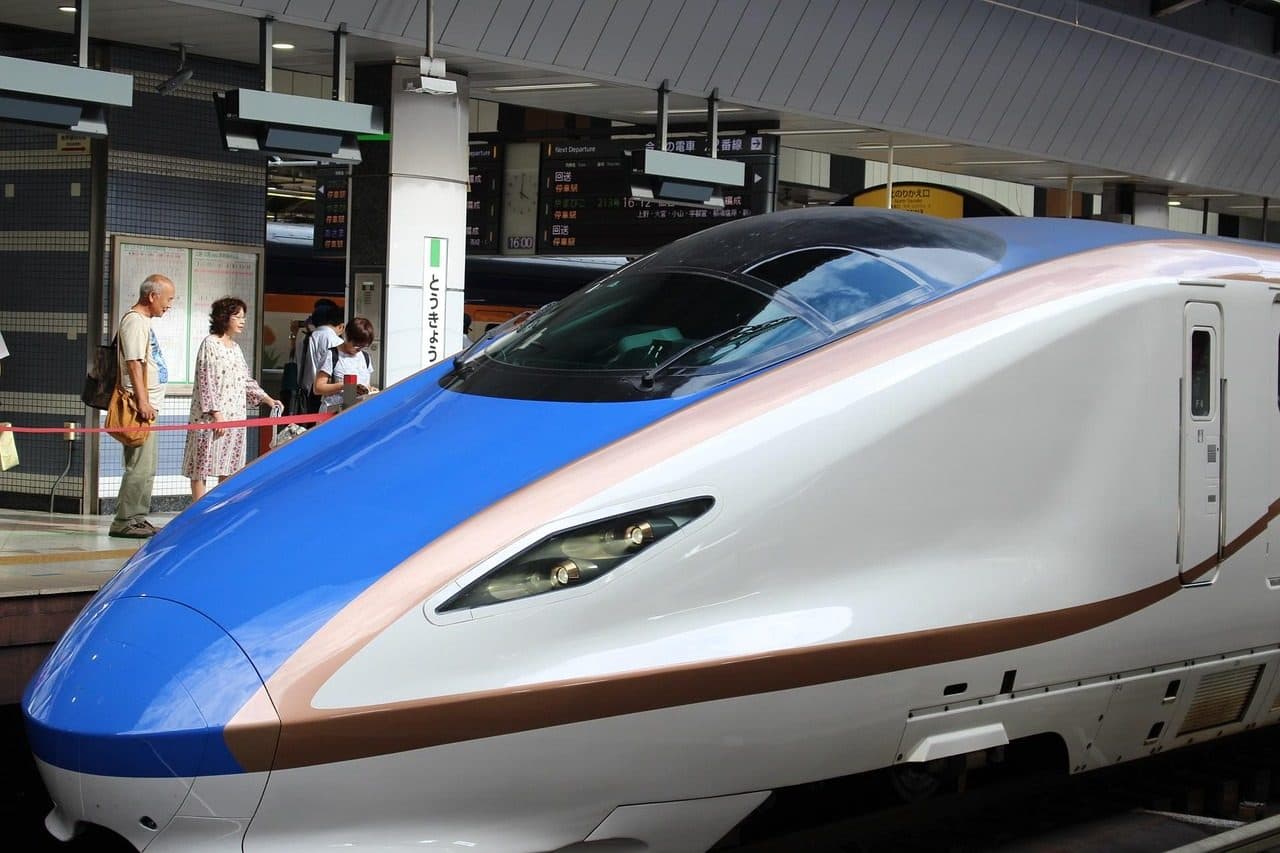
Since March 2024 the Hokuriku Shinkansen runs beyond Kanazawa to Tsuruga, and the Thunderbird limited express from Osaka and Kyoto now terminates at Tsuruga instead of running through to Kanazawa. That means one change of train from Kansai, but the overall journey is shorter than before. VISIT KANAZAWA lists these typical times:
| From | Route | Typical time |
|---|---|---|
| Tokyo | Hokuriku Shinkansen direct to Kanazawa | About 2 h 30 min (fastest services) |
| Osaka | Thunderbird to Tsuruga, then Hokuriku Shinkansen | About 1 h 20 min + 40 min, plus the transfer |
| Kyoto | Thunderbird to Tsuruga, then Hokuriku Shinkansen | About 1 h 45 min of train time, plus the transfer |
| Nagoya | Train to Maibara, Shirasagi to Tsuruga, then Shinkansen | About 3 h 10 min |
| Shirakawa-go | Highway bus | About 1 h 15 min |
| Takayama | Highway bus via Shirakawa-go | About 2 h |
The Tsuruga transfer is a same-station change between the Thunderbird platforms and the Shinkansen platforms one level up; allow a few minutes and follow the signs. Tickets bought as a through journey (for example Osaka → Kanazawa) cover both trains. Slower Shinkansen services from Tokyo stop more often and take longer than 2 h 30 min, so check the train type when you book.
Rail passes: the national Japan Rail Pass covers the Hokuriku Shinkansen and the Thunderbird. If you are only doing a Kansai–Kanazawa loop, JR West's regional passes can be much cheaper — our JR Pass vs regional passes comparison runs the numbers for common routes, and Is the Japan Rail Pass worth it? covers the full-country case.
Kenrokuen: fees, hours and the free early entry
Kenrokuen is one of Japan's most celebrated landscape gardens and the anchor of any Kanazawa visit. According to the Ishikawa Prefecture garden office, admission is ¥320 for adults (18+) and ¥100 for ages 6–17; visitors aged 65+ enter free with proof of age. The garden is open every day of the year.
| Period | Paid opening hours | Free early entry (Hasuike-mon & Zuijinzaka gates only) |
|---|---|---|
| Mar 1 – Mar 31 | 7:00–18:00 (last entry 17:30) | 5:00–6:45 (last entry 6:30) |
| Apr 1 – Aug 31 | 7:00–18:00 | 4:00–6:45 |
| Sep 1 – Oct 15 | 7:00–18:00 | 5:00–6:45 |
| Oct 16 – Oct 31 | 8:00–17:00 (last entry 16:30) | 5:00–7:45 (last entry 7:30) |
| Nov 1 – end of Feb | 8:00–17:00 | 6:00–7:45 (last entry 7:30) |
During the free early opening only two gates are open, and early visitors are asked to leave 15 minutes before paid hours start. If you want to stay longer, simply exit and re-enter through a regular gate with a ticket once paid hours begin.
Kenrokuen in winter: yukitsuri and snow
Each year from early November gardeners tie ropes from tall poles to the branches of the garden's pines, forming cone-shaped "snow umbrellas" that stop heavy, wet Hokuriku snow from breaking the limbs. The work traditionally starts with the large Karasaki pine beside Kasumigaike pond and continues into December; the ropes stay up until about mid-March. You can see the finished shapes from late November onward. Snow itself is not guaranteed — Kanazawa's snowfall varies a lot from year to year — but the yukitsuri give the garden its winter look regardless.
The garden and castle park are often illuminated on selected evenings in autumn and winter, but the dates change every year and were not confirmed on the official site at the time of writing. Check the Kenrokuen official page in the weeks before you travel.
The other core stops
Kanazawa Castle Park
The castle park sits directly across a bridge from Kenrokuen's Katsurazaka gate, so the two flow into each other. The grounds are free to walk; some reconstructed buildings inside charge a separate small fee. Give it 45–60 minutes. It is the easiest place to fill time if the garden is crowded — go castle first, garden second.
Omicho Market
Kanazawa's main food market is a long-running covered market with more than 170 shops and stalls and restaurants. VISIT KANAZAWA lists general hours of roughly 9:00–16:00, varying by shop, with closures over New Year; many restaurants inside open earlier for breakfast and some close on Wednesdays or Sundays. Go before 11:00 for the shortest queues. A kaisendon (seafood rice bowl) is the classic order; in crab season, look for bowls topped with kobako crab.
Higashi Chaya District
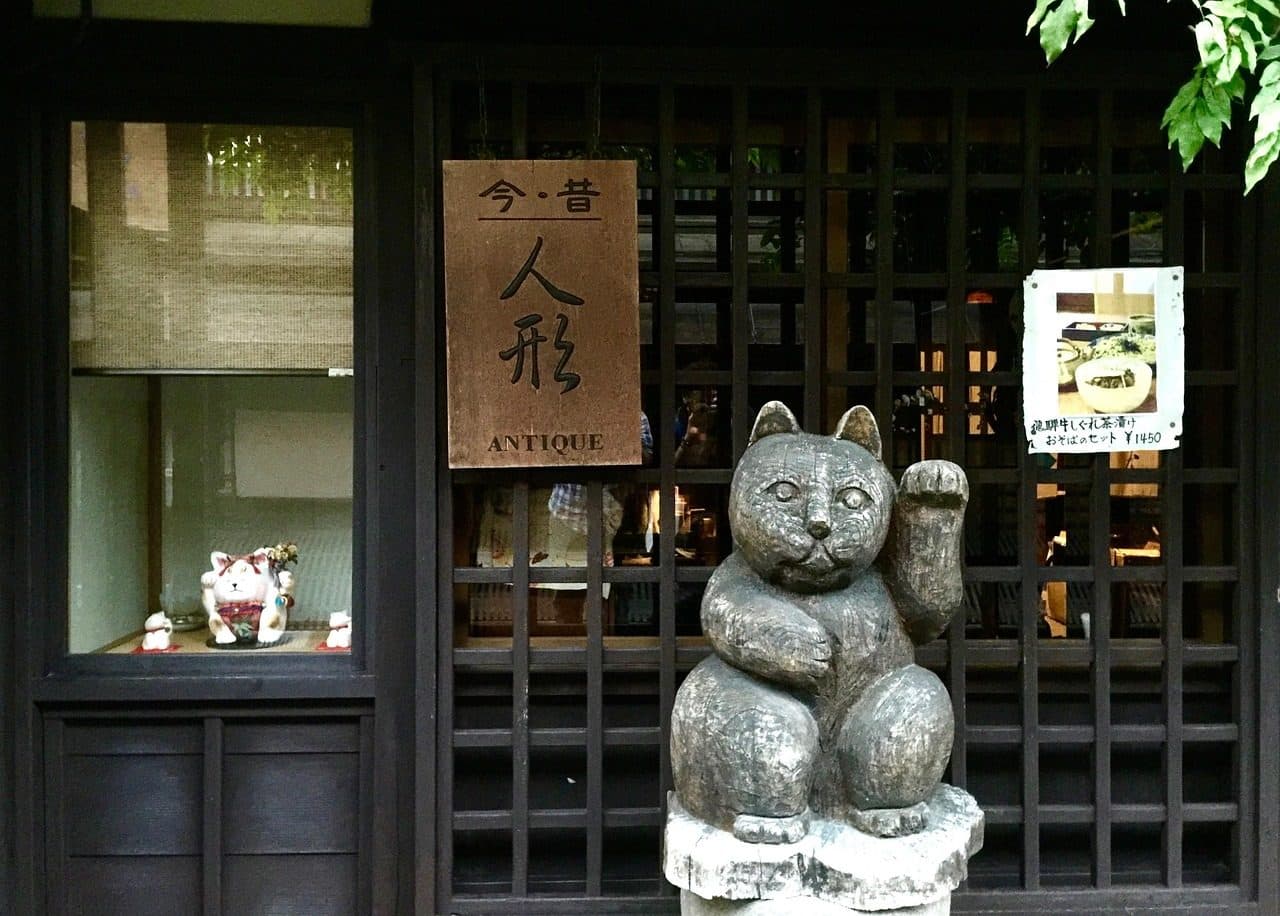
A street of wooden teahouses with latticed fronts, about 15–20 minutes on foot from Omicho or a short Loop Bus ride. Some old teahouses are open as paid museums, and many shops sell gold-leaf products (Kanazawa is Japan's main gold-leaf producer). The main street is busiest from late morning to mid-afternoon; late afternoon is calmer and the light along the Asano River is better. Kazuemachi, a smaller teahouse lane just across the river, is worth the five-minute detour.
Nagamachi Samurai District
Earthen walls, narrow lanes and canals mark the old residential area of the Maeda clan's samurai. It is a 10–15 minute walk from Korinbo, the downtown shopping area. The restored Nomura family residence, with a small garden, is the most visited interior. In winter the walls are wrapped in straw mats (komogake) to protect them from snow — another seasonal detail worth seeing.
21st Century Museum of Contemporary Art
The circular glass museum is a five-minute walk from Kenrokuen. According to the museum, the exhibition zone opens 10:00–18:00 (until 20:00 on Fridays and Saturdays) and closes on Mondays (or the next weekday if Monday is a holiday); the public zone opens 9:00–22:00. Some exhibitions are free and others are ticketed, so prices vary by show. The museum lists a full closure from 29 December 2026 to 1 January 2027, and "The Swimming Pool" artwork is temporarily closed 19–30 October 2026. If the Pool is on your list, check the museum's calendar — it often requires a timed ticket on busy days.
A timed 1-day route
- 6:00–7:30 — Free early entry at Kenrokuen (winter hours; start at 5:00 in spring and early autumn). If you arrive on a morning Shinkansen instead, swap this for paid entry at 8:00–9:00.
- 7:45–8:30 — Walk through Kanazawa Castle Park (via the Ishikawa-mon gate area).
- 9:00–11:00 — Omicho Market: browse, then an early seafood lunch before the queues.
- 11:15–13:00 — 21st Century Museum (exhibition zone from 10:00; closed Mondays) — or Nagamachi if it is a Monday.
- 13:30–15:00 — Nagamachi Samurai District and a coffee in Korinbo.
- 15:30–17:30 — Higashi Chaya and Kazuemachi as the crowds thin; gold-leaf shopping.
- Evening — Dinner near Katamachi or the station, or catch a Shinkansen onward.
The city's Loop Bus (Kanazawa Loop Bus) connects the station with Omicho, Higashi Chaya, Kenrokuen and Korinbo in both directions. VISIT KANAZAWA lists a flat fare of ¥220 per ride for adults; if you take more than three rides, a day pass usually pays off — check the current price at the station tourist information desk.
A relaxed 2-day plan
- Day 1 afternoon — Arrive, drop bags, walk Higashi Chaya and Kazuemachi at dusk, seafood or crab dinner.
- Day 2 early — Kenrokuen free early entry, castle park, then breakfast.
- Day 2 morning — Omicho Market and the 21st Century Museum.
- Day 2 afternoon — Nagamachi, then either onward travel or a half-day bus trip to Shirakawa-go (about 1 h 15 min each way).
If Shirakawa-go matters, consider making it a third half-day rather than squeezing it in. Our Shirakawa-go day trip vs overnight guide explains bus reservations and winter conditions, and the Takayama old town guide shows how to run Kanazawa → Shirakawa-go → Takayama as a one-way route.
Crab season in Kanazawa (2026–27)
Ishikawa's snow crab fishery opens in early November. JF Ishikawa (the prefectural fishing cooperative) announced 6 November as the opening day in 2025, and early November is the usual pattern — but the first landing can slip by a few days in bad weather, and the 2026 date had not been announced on an official page when we checked. Two names to know:
- Kano-gani — the male snow crab, sold whole or as legs, with a yellow tag marking Ishikawa-caught crab. Expensive at top restaurants; markets sell boiled crab at a range of prices.
- Kobako-gani (also called kobako or kōbako) — the much smaller female crab, eaten for its roe and the brown inner eggs. It is cheaper and very local. Its season is short — roughly two months from the opening — because fishers limit the catch to protect stocks.
Practically: if kobako crab is the goal, aim for November to December. Male crab is available for longer into winter. At Omicho you can eat a kobako-topped rice bowl at lunchtime; for a full crab course, book dinner in advance, especially for weekends in November and December. Prices change daily with the auction, so treat any menu price you see online as indicative only.
When to visit and what it feels like
| Season | What's special | Trade-offs |
|---|---|---|
| Spring (late Mar – Apr) | Cherry blossoms in Kenrokuen and the castle park | Busiest season |
| Summer | Long days, early entry from 4:00 | Hot and humid; seafood still good but no crab |
| Autumn (Nov) | Maple colour, yukitsuri installation, crab season opens | Popular weekends; book dinners early |
| Winter (Dec – Feb) | Yukitsuri, possible snow, crab and winter fish | Cold, wet days; shorter garden hours (8:00–17:00); Shirakawa-go buses fill fast |
On the Noto Peninsula: the January 2024 earthquake and later flooding hit northern Ishikawa hard, and recovery work continues there. Kanazawa city itself is open and operating normally for visitors. If you plan to travel north onto Noto, check the prefecture's latest road and facility information before you go.
Combining Kanazawa with Shirakawa-go and Takayama
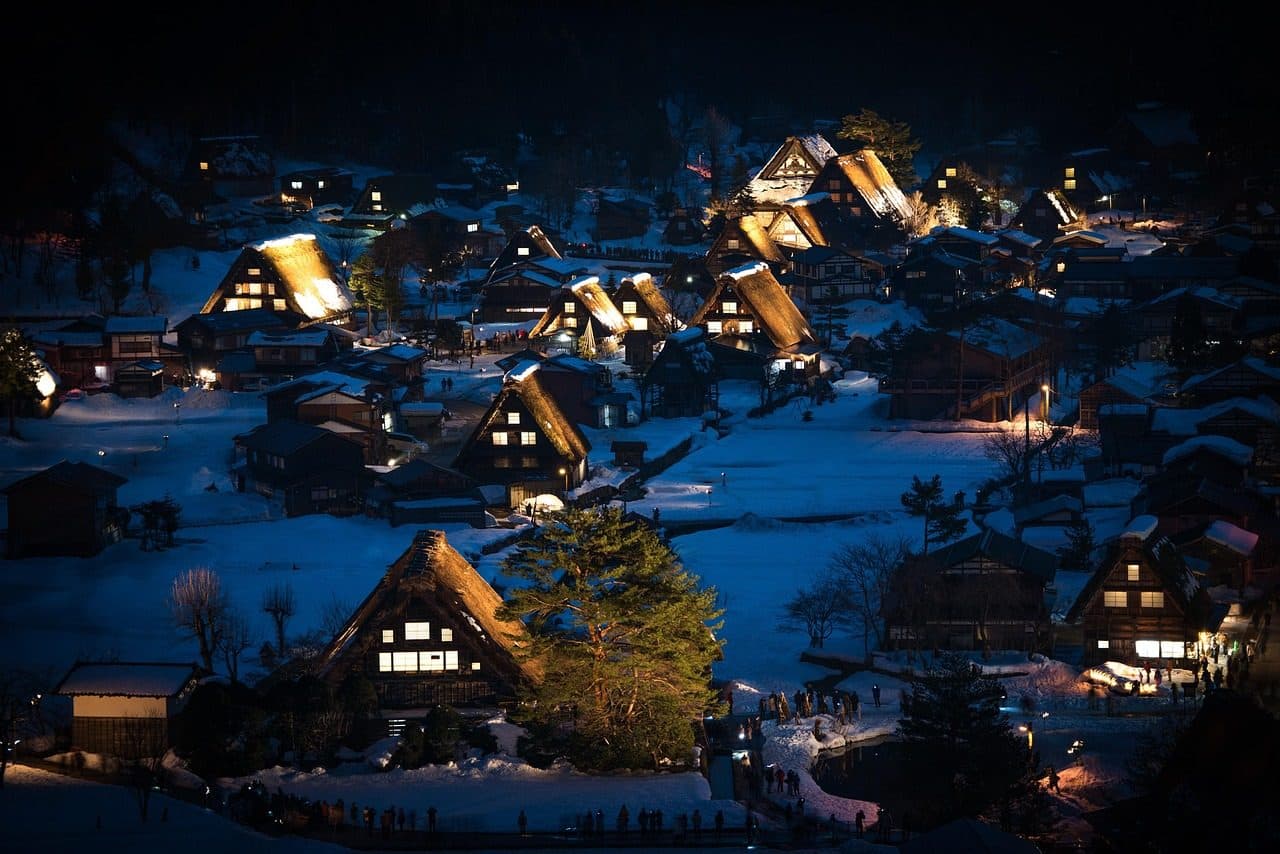
The classic route is Kanazawa → Shirakawa-go → Takayama (or the reverse) by highway bus, ending with a JR train to Nagoya. It works well over 3–4 days. Travelling west to east is common: arrive in Kanazawa from Tokyo, bus through Shirakawa-go, overnight in Takayama. If you are coming from Osaka or Kyoto, do it the other way — Nagoya → Takayama → Shirakawa-go → Kanazawa → Tsuruga → back to Kansai — and the loop closes neatly. In winter, reserve the Shirakawa-go buses as early as the operator allows, since winter evening events fill seats quickly.
If you prefer someone else to handle the logistics, guided day tours from Kanazawa to Shirakawa-go remove the bus reservation problem, at a higher price than doing it yourself.
Is one day enough for Kanazawa?
Yes, for the essentials — Kenrokuen, the castle park, Omicho Market and Higashi Chaya — if you start by 8:00 or earlier. Two days is better if you want the 21st Century Museum, a samurai district, a crab dinner or a Shirakawa-go side trip.
How much is Kenrokuen and when does it open?
¥320 for adults and ¥100 for ages 6–17; 65+ free with ID. Paid hours are 7:00–18:00 from March 1 to October 15 and 8:00–17:00 from October 16 to the end of February. There is free early entry through two gates before paid hours (6:00–7:45 from November to February).
How do I get from Osaka or Kyoto to Kanazawa now?
Take the Thunderbird limited express to Tsuruga and change to the Hokuriku Shinkansen. VISIT KANAZAWA lists about 2 hours of train time from Osaka and about 1 h 45 min from Kyoto, plus a short same-station transfer.
When is crab season in Kanazawa?
The Ishikawa snow crab season opens in early November (6 November in 2025). Female kobako crab has a short season of roughly two months; male kano-gani continues into the winter. Check JF Ishikawa for the 2026 opening date.
When can I see the yukitsuri ropes at Kenrokuen?
Installation begins in early November and continues into December; the ropes usually stay up until around mid-March. Late November to early March is the best window to see them complete.
Can I visit Shirakawa-go from Kanazawa in a day?
Yes. The highway bus takes about 1 h 15 min each way, so a half or full day works. Reserve seats in advance, especially in winter. A guided tour is the alternative if buses are full.