This article contains affiliate links. If you book through them we may earn a small commission at no extra cost to you — it helps keep Authentic Japan free.
Obon is not just a summer festival. It's a season of family remembrance, grave visits, local dances, lanterns, hometown travel, and crowded transport, all overlapping in mid-August. Visitors typically encounter only the public side — Bon Odori dance circles, street food, lanterns, and regional festivals. That side is real, but it sits next to private household and temple practices that aren't tourist entertainment.
The key is separating three things: private remembrance, local community dancing, and major ticketed festivals. Once you separate them, Obon becomes easier to understand and easier to experience respectfully.
When is Obon?
Obon timing varies by region, but mid-August — roughly August 13-16 — is the main travel-pressure period across most of Japan. It isn't a national public holiday the way New Year or Golden Week are, but many workplaces close or allow leave, and a large share of the country travels back to family hometowns at the same time.
What Obon actually means
At its core, Obon is connected to remembering ancestors and welcoming their spirits home. Families may clean graves, visit temples, prepare offerings, or gather at the household altar. These practices are private, local, and family-specific — not something staged for onlookers.
Public Bon Odori dances are the part visitors actually encounter. A tower or central platform goes up, music plays, and people dance in a circle around it, repeating simple movements. Some dances are explicitly open to anyone who wants to join; others read more as performance. Watch for a minute before deciding which kind you're at.
Bon Odori etiquette
If a dance circle looks open, join from the edge and follow the people directly in front of you. Don't cut through the middle of the circle, don't turn it into a solo performance, and don't film people's faces from close range while they're dancing.
Awa Odori: the famous public festival version
Tokushima City's Awa Odori is one of Japan's most famous dance festivals tied to the Obon season. The event's official site describes over 400 years of history and roughly 1.1 million visitors across the festival period — a different scale entirely from a neighborhood Bon Odori. It runs with paid venues, free venues, staged performances, and detailed schedules.
As of August 2026, the official 2026 schedule lists:
- Opening indoor stage "Suguribi" on August 11 at Asty Tokushima, with performances at 12:00, 15:30, and 19:00
- Paid outdoor Awa Odori venues from August 12-15 at three locations: Aiba-hama, Minamiuchimachi, and Konyadori
- Two outdoor sessions each evening: 18:00-19:40 and 20:20-22:00, with entry replacement between them
Outdoor advance ticket prices (tax included) range from a C-tier unreserved seat at ¥1,000 up to a Minamiuchimachi premium reserved seat at ¥15,000, with SS/S/A/B tiers in between at ¥6,000, ¥3,000, ¥2,500, and ¥2,000. The August 13 second session at Konyadori is a special exception: all-unreserved seating at ¥2,000 for circle dances. Children age 3 and up require a paid ticket.

Choosing paid vs. free viewing
Paid seats are worth it if you care about sightlines, a defined time slot, and less uncertainty. Free areas give you more atmosphere and flexibility, but expect crowding and standing.
If Awa Odori is the main reason you're in Tokushima, buy official tickets early — the premium tiers sell out first. If you're only passing through and don't mind missing the best sightline, free viewing areas are enough. Buy only through the official ticketing channel; don't rely on resellers.
Transport and accommodation
Travel pressure is the part many visitors underestimate. A festival schedule might say the performance starts at 18:00, but the real challenge is getting into the city, storing luggage, reaching the venue, eating, and leaving afterward alongside thousands of other people.
Book accommodation early for named festivals like Awa Odori. If a central hotel isn't available, check the return transport carefully before settling for something farther out — a cheap room is no bargain if the last train makes it impossible to get back.
For long-distance rail, reserve seats where possible. For domestic flights, expect fares and seat availability to tighten around mid-August. If you're moving between cities with luggage, forwarding it ahead rather than hauling it through a packed station is worth the fee during this window. A pre-loaded Suica IC card also helps here — tapping through gates without a ticket machine queue matters more than usual when every platform is at Golden-Week density.
What to wear
You don't need a yukata to attend Obon events — comfortable summer clothing is fine. If you do wear one, plan for heat, walking, stairs, and toilets; festivals mean long stretches outdoors in humid weather.
Bring water, a small towel, and shoes you can comfortably stand in for hours. August evenings stay hot, especially packed into a crowd.
Food, trash, and cash
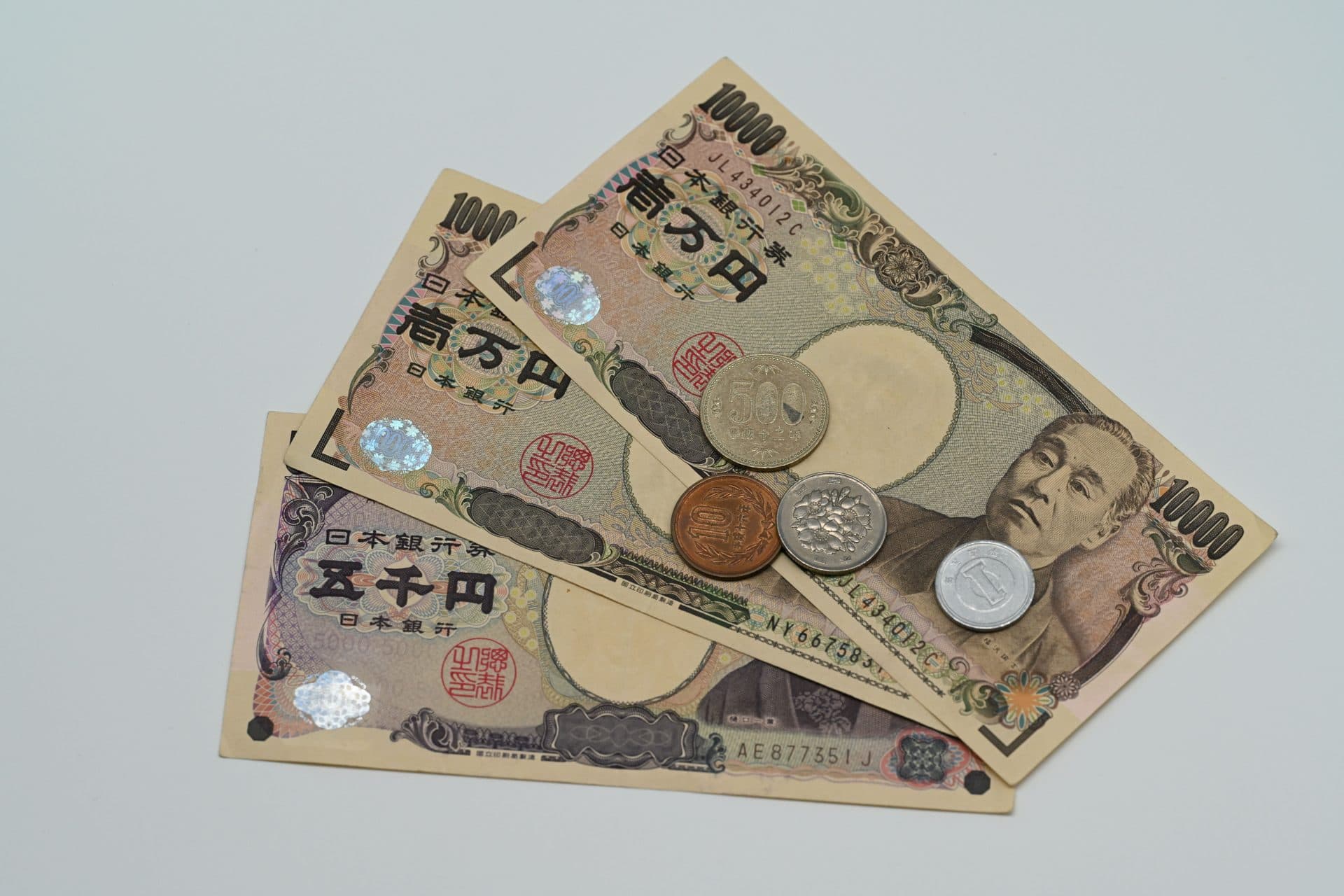
Many major festivals have food stalls; smaller neighborhood Bon Odori events may not. Carry cash in small bills and coins — some stalls take cashless payment, but don't count on it at a crowded seasonal event.
Trash bins can be scarce. Carry a small bag for wrappers until you find a proper disposal point, and don't leave cups, skewers, or cans near the dance area.
Private spaces are not attractions
Common mistakes
- Assuming Obon means one festival — it's a season with many local forms, not a single event
- Ignoring transport pressure — mid-August travel disruption reaches well beyond the specific event you're attending
- Joining a dance circle too aggressively — watch first, enter gently, and copy the group
- Assuming a free festival has no costs — food, lockers, transport, hotel premiums, and missed trains are all real costs
- Treating festival prices as fixed year to year — the 2026 figures above are current as of August 2026; future years need fresh confirmation
The best way to experience Obon
For a low-pressure introduction, look for a neighborhood Bon Odori in Tokyo, Yokohama, Fukuoka, Sapporo, or wherever you're already staying. Watch first, join only if the circle is open, and keep your movements modest.
For a destination festival, treat Tokushima's Awa Odori as the main event, not a side stop. Use the official 2026 schedule, choose paid or free viewing deliberately, reserve transport in both directions, and build in recovery time. See our Japanese train etiquette guide for handling the packed trains that come with it.
Obon holds both intimacy and public celebration at the same time. Visitors are welcome at many public dances and festivals — the deeper respect comes from knowing where the public part ends.
Is Obon a public holiday in Japan?
Obon is not a national public holiday, but many people take leave and travel around mid-August, so transport and accommodation become as crowded as during an official holiday period.
Can tourists join Bon Odori?
At many local dances, visitors can join if the event is open and the circle is participatory. Watch first, follow the rhythm of the people in front of you, and avoid cutting through the circle.
When is Tokushima's Awa Odori in 2026?
The official 2026 schedule lists an opening indoor stage on August 11 and paid outdoor performances from August 12-15, with two sessions each evening (18:00-19:40 and 20:20-22:00).
How much do Awa Odori tickets cost?
As of August 2026, official outdoor advance tickets range from a ¥1,000 unreserved C-tier seat up to a ¥15,000 Minamiuchimachi premium reserved seat, with several tiers in between. Children age 3 and older require a paid ticket.