This article contains affiliate links. If you book through them we may earn a small commission at no extra cost to you — it helps keep Authentic Japan free.
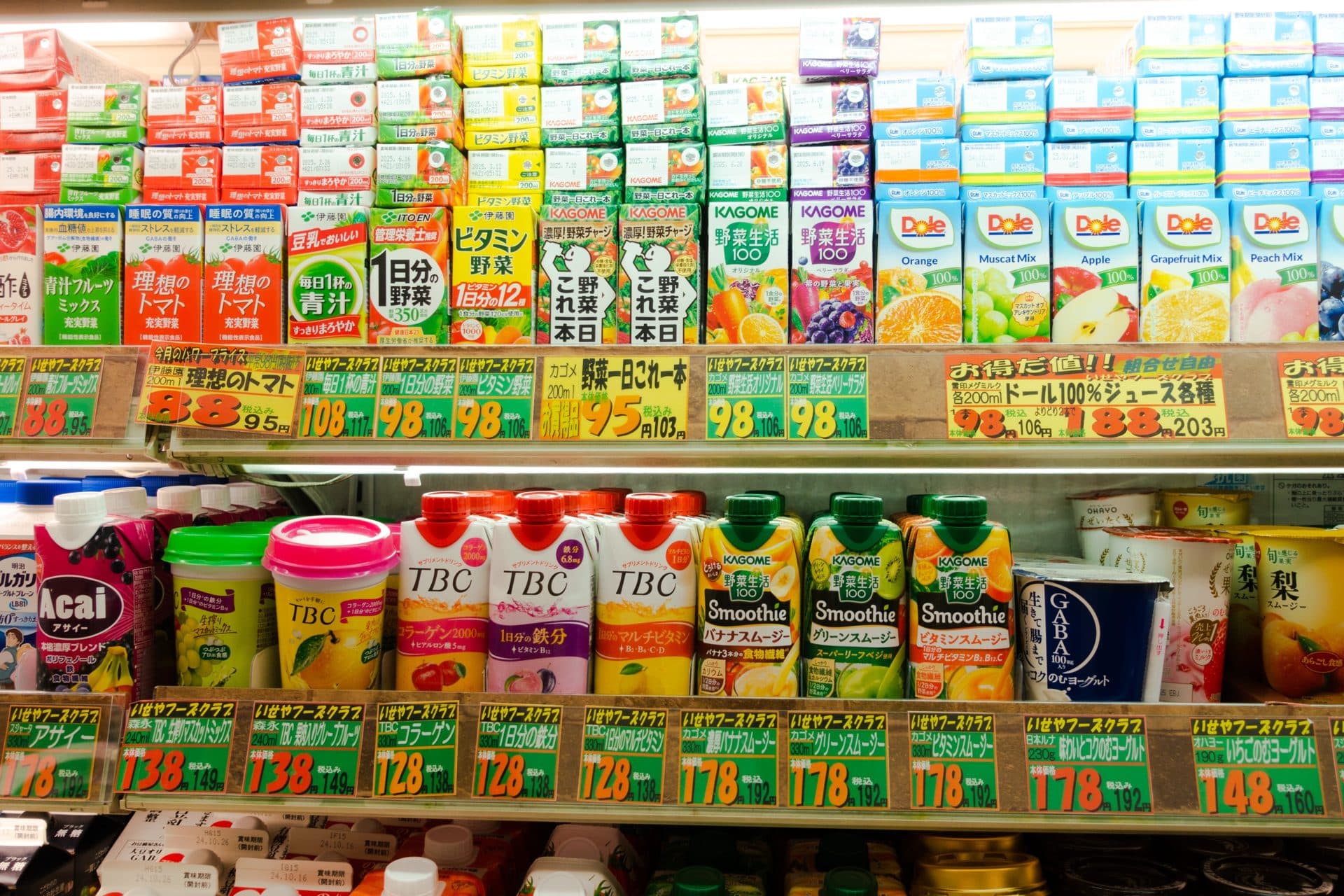
Depachika are the basement food floors of Japanese department stores — the word blends depato (department store) and chika (basement). Here's what that gets you: excellent bentos, seasonal sweets, fruit, fried food, salads, bakery items, tea, sake-friendly snacks, and gifts, all under one roof, all weatherproof.
They aren't attractions in the theme-park sense. They're working retail floors used by office workers, commuters, and gift buyers — which is exactly why they work so well for visitors. One floor solves three travel problems at once: where to eat without a reservation, what to bring as a polite gift, and where to go when it's pouring rain.
Why Depachika Matter
Most visitors find depachika too late — usually the last day, hunting for airport snacks. Go early instead. A department-store food floor teaches you how Japanese food retail actually works: seasonal packaging, regional specialties, small-portion prepared dishes, gift culture with its own unwritten rules. You can build a hotel-room dinner from a bento, fruit, a cup of miso soup, and dessert, or grab train food that travels cleaner than a street snack. For a wider menu of where to eat well in the city, see our Tokyo food guide.
How to Read the Floor
- Prepared meals and bentos sit near the main traffic flow
- Japanese sweets and seasonal gifts fill polished glass counters
- Western cakes, bakery items, and chocolate get their own zone
- Fresh fish, meat, fruit, and grocery sections sit deeper inside
- Each counter has its own register — there's no single central checkout
Do one slow lap before buying anything. The first beautiful bento is rarely the only one. Watch where commuters actually queue, but don't block the aisle while you decide. If a counter hands out numbered tickets, take one and wait to be called; if a sample is offered, a small nod is enough thanks — don't treat the counter like a buffet.
Tokyo: Ginza Mitsukoshi
Ginza Mitsukoshi is the easiest depachika for first-timers because it sits directly in a sightseeing and shopping zone — a 1-minute walk from Tokyo Metro Ginza Station's Ginza 4-chome crossing gate. Official hours run 10:00 a.m. to 8:00 p.m. (verified July 2026).
Good for polished gifts, seasonal sweets, fruit, and high-end bentos — and a natural stop if you're based around Ginza, Tokyo Station, Shimbashi, or Nihonbashi. Go before the evening rush if you want to browse without getting swept along; by dinnertime the floor turns into a fast-moving commuter current. Note that gift sweets are often wrapped for presentation, not portability — if you need something to eat now, look for prepared food with visible utensils, or just ask whether chopsticks are included. If you'd rather have a guide take you past the counters that are easy to miss, the Ginza, Yurakucho & Shinbashi food tour covers this same neighborhood on an evening walk.
Tokyo: Isetan Shinjuku
Isetan Shinjuku is Tokyo maximalism in food-hall form. Official hours are 10:00 a.m. to 8:00 p.m.; the 7th-floor Eat Paradise restaurant area runs 11:00 a.m. to 10:00 p.m.
This is the pick for premium sweets and serious prepared food, in a space that feels more curated than casual. It's less ideal if you're already tired, hungry, and hauling luggage — Shinjuku Station's exits are a navigation test on their own, and a packed basement floor on top of that can turn dinner into a maze. For a guided alternative that skips the navigation entirely, the Shinjuku food tour covers 15 dishes across 4 eateries with a local guide leading the way.
Tokyo: Daimaru Tokyo
Daimaru Tokyo is the traveler-friendly option — it sits immediately outside JR Tokyo Station's Yaesu North Exit. B1F through 11F normally run 10:00 a.m. to 8:00 p.m., closed only January 1 and 2.
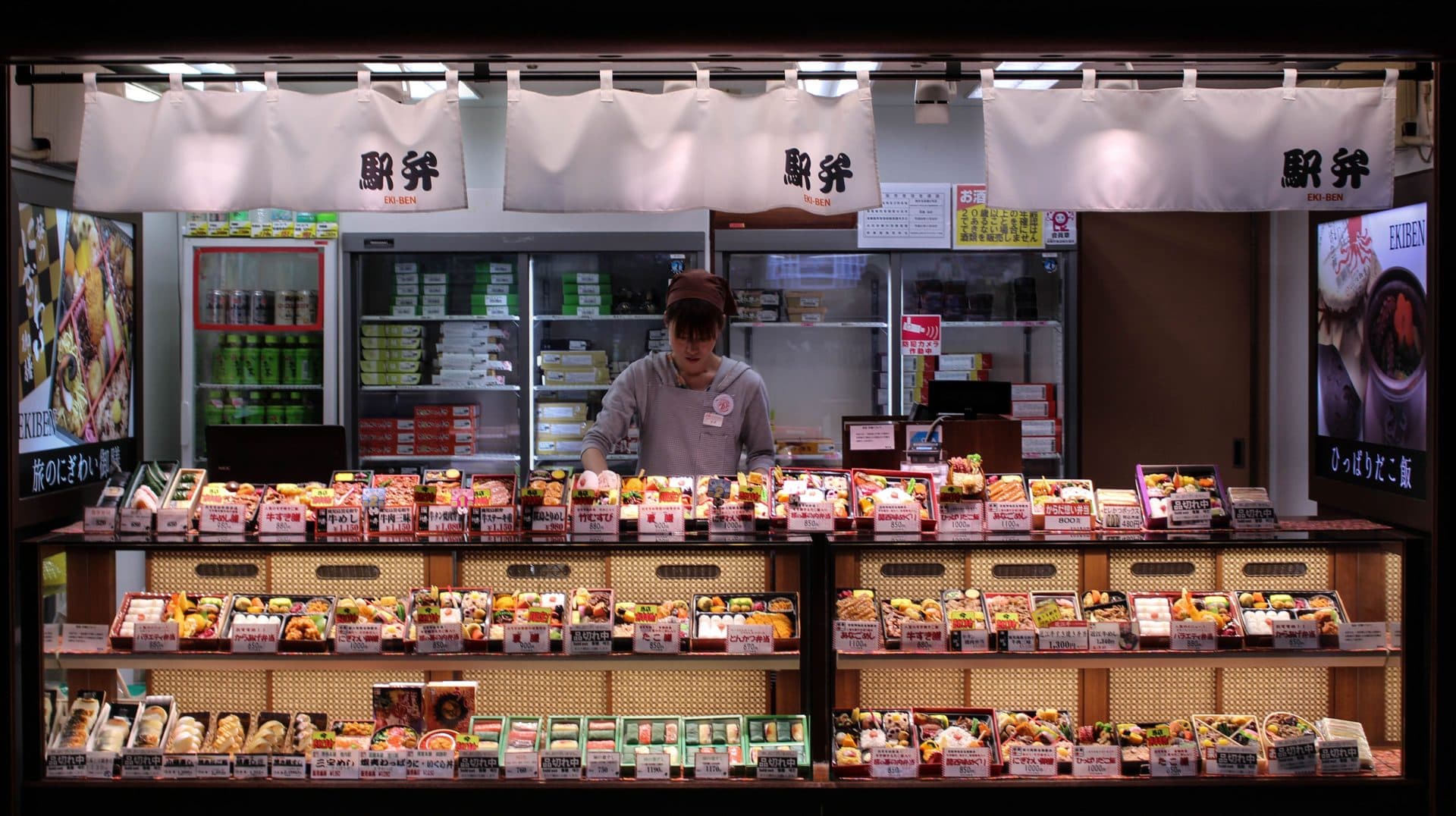
Use it before a shinkansen ride or right after arriving at Tokyo Station, when you want good food without leaving the rail hub — the ekiben logic applies: buy before boarding rather than hope the platform kiosk has what you need. The catch is timing. Tokyo Station moves fast, and every indecisive minute feels expensive when a train is involved — buy earlier than you think you need to.
Osaka: Umeda Food Halls
Osaka's department-store food halls cluster around Umeda and the major rail hubs. Hankyu Umeda Main Store and Hanshin Umeda Main Store both list tax-free counters, free Wi-Fi in some areas, and foreign-payment support on their official pages — practical points to confirm store-side before you go, since floor-by-floor food-counter hours can shift. If Osaka's food culture is the draw, our Osaka kuidaore guide covers the wider scene beyond the department stores.
What to Buy
- Bento for a train or hotel-room dinner
- Korokke, yakitori, karaage, or tempura-style prepared items
- Seasonal wagashi for a small gift
- Fruit, if you want to see Japanese presentation culture at its most extreme
- Individually wrapped sweets for coworkers or hosts
- Bakery items for the next morning
Don't overbuy refrigerated food unless your hotel has a fridge and you understand the use-by window — most prepared items are meant for same-day eating. If the label is Japanese-only, assume same-day is the safe read. Depachika sit at the premium end of the spectrum; for a cheaper, faster fallback the rest of the trip, our convenience store food guide covers what onigiri, bento, and hot-case snacks actually cost.
Timing: The Discount Trap
Many floors discount prepared food near closing, but don't build your plan around markdowns. Popular items sell out first, crowds thicken, and staff are trying to close counters, not accommodate indecisive shoppers. A discount is a bonus if you happen to find one — not a strategy if dinner actually matters. Ginza Mitsukoshi and Isetan Shinjuku's main floors both run to 8:00 p.m. as of July 2026, and Daimaru Tokyo's B1F-11F does the same, but individual counters, restaurants, and eat-in areas can close earlier — check the specific counter, not just the store, the day you go.
Etiquette
- Keep luggage out of the aisle
- Don't eat while walking through the floor
- Ask before photographing counters or staff
- Queue where the line actually starts, not where the display begins
- Have payment ready — many counters move fast
- Don't touch unpackaged items unless tongs or trays are clearly provided
One difference from open-air markets worth knowing up front: depachika aren't bargaining spaces. Prices are posted, presentation is part of what you're paying for, and staff are trained for speed, not negotiation.
Tax-Free and Gifts
Tax-free shopping can apply to some depachika purchases, but food and consumables come with conditions. JNTO's tax-exemption page is explicit that exemption only applies under specific conditions, and that as of April 1, 2025, tax-free shopping no longer applies to items sent by international parcel.
Practically: don't assume every purchase qualifies, and if you're buying food gifts, ask the tax-free counter before you open anything — consumables are often sealed under rules that void the exemption once broken. If gift-giving culture in general is unfamiliar territory, our guide to shopping like a local at Don Quijote covers the more casual, less curated end of the same instinct.
Best Use Cases by Traveler Type
First-timers: use depachika for one hotel-room dinner and one train meal — that's enough to get the idea without overplanning. Food-focused travelers: compare a Ginza hall against a Shinjuku hall, since the customer flow and selection feel genuinely different between them.
Families: depachika skip restaurant waits entirely, but choose food before kids are exhausted, not after. Solo travelers: lean in — a good bento, fruit, and dessert beats an awkward solo restaurant order made under pressure, and a rainstorm turns depachika from a nice option into the obvious one, since it keeps food quality high without any outdoor logistics.
What Not to Expect
Not a cheap supermarket — some items are affordable, but these are curated retail floors first. Not seating — a handful of stores have eat-in counters or attached restaurants, but most purchases are takeaway by design. Not guaranteed English ingredient explanations, and not complete vegetarian, halal, gluten-free, or allergy labeling reliable enough for a high-risk decision.
If you have a serious dietary restriction, depachika can still work, but they're not a substitute for a restaurant that can walk you through ingredients directly.
What does depachika mean?
Depachika combines depato (department store) and chika (basement) — it refers to the basement food floors found in most major Japanese department stores, typically packed with bento counters, sweets shops, and a fresh-food grocery section.
Can tourists buy dinner at a depachika?
Yes, easily. Bentos, prepared dishes, sandwiches, fruit, and bakery items make depachika one of the simplest no-reservation dinner options in Japan — most major floors like Ginza Mitsukoshi, Isetan Shinjuku, and Daimaru Tokyo stay open until 8:00 p.m., so it works as a plan B after a full day of sightseeing.
Do depachika have seating?
Usually not. A few stores have attached restaurants or small eat-in counters, but the large majority of what you buy on a depachika floor is meant for takeaway — back to your hotel room, onto a train, or to a park if eating there is appropriate.