Artikel ini diterjemahkan secara automatik dan mungkin mengandungi sedikit ketidaktepatan. Versi asal bahasa Inggeris adalah rujukan utama.
Artikel ini mengandungi pautan afiliasi. Jika anda menempah melaluinya, kami mungkin menerima komisen kecil tanpa kos tambahan kepada anda - ia membantu memastikan Authentic Japan kekal percuma.
Ramen terbaik di Tokyo bukan satu mangkuk sahaja — ia satu pokok keputusan. Asas sup, tahap lemak, ketebalan mi, dan suasana tempat makan yang anda mahu, semuanya mengubah jawapannya. Tokyo mempunyai rangkaian terkenal, kedai kaunter kecil, pakar yang diiktiraf Michelin, kelompok ramen di stesen, dan mangkuk lewat malam — senarai rata "kedai terbaik" cepat runtuh tanpa cara untuk menyusunnya.
Panduan ini disusun mengikut rasa dahulu: pilih jenis yang sesuai dengan selera anda, kemudian pilih kawasan dan tahap kesabaran beratur yang sesuai dengan hari anda. Untuk pandangan lebih luas tentang dunia makanan Tokyo di luar mi, lihat panduan Tokyo untuk peminat makanan kami.
Cara Membaca Menu Ramen Tokyo
Kedai ramen sangat khusus. Sesetengah kedai tonkotsu hanya menghidangkan ramen tulang babi. Kedai shio membina seluruh menu di sekitar tare berasaskan garam. Kedai tsukemen boleh mengelirukan jika anda menyangka mi bersup, kerana mi dan sup celupan datang dalam mangkuk berasingan.
Tiga corak berlaku di kebanyakan kedai: mesin tiket (beli tiket, serahkan kepada staf, duduk bila diarah), barisan yang bergerak lebih pantas daripada yang kelihatan kerana pusing ganti ramen sangat cepat, dan waktu operasi yang dipaparkan tidak menjamin setiap mangkuk tersedia sehingga waktu tutup — sesetengah kedai kehabisan stok dan tutup lebih awal.
Senarai kedai Tokyo AFURI berulang kali menyatakan waktu operasi diikuti "sehingga sup kehabisan," dan sesetengah cawangan hanya menerima pembayaran tanpa tunai setakat Julai 2026. Halaman waktu operasi rasmi Ichiran turut membawa amaran serupa: waktu operasi dan had kemasukan berubah mengikut kesesakan dan keadaan kedai pada hari tertentu.
Tonkotsu: Kaya, Berasaskan Babi, dan Sesuai untuk Diubah Suai
Ramen tonkotsu diperbuat daripada tulang babi dan terhasil kental, kaya, dan terus terasa. Di Tokyo, Ichiran adalah titik rujukan paling mudah untuk pelawat kali pertama: pelbagai cawangan, panduan dalam bahasa Inggeris, sistem pesanan yang tersusun.
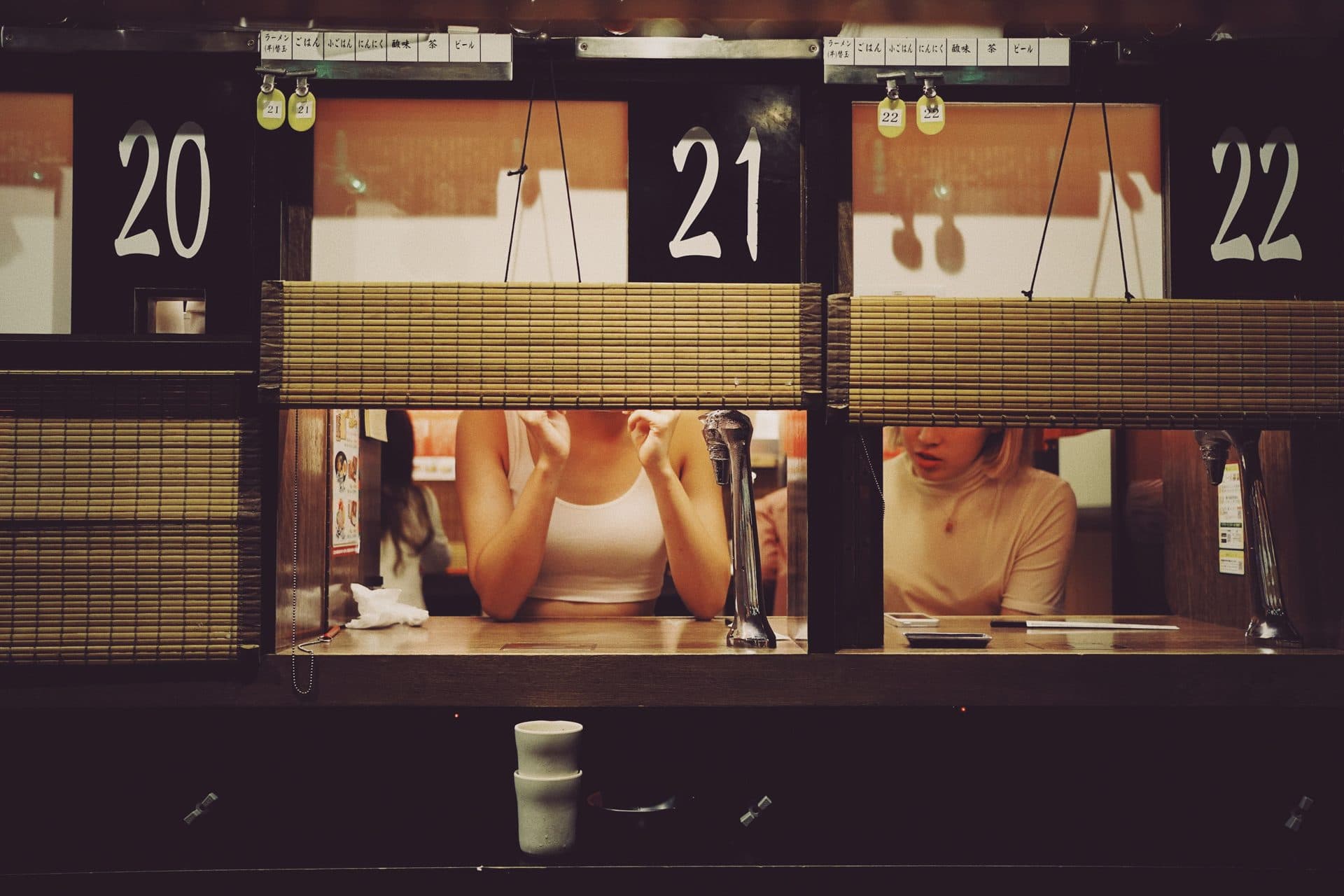
Menu rasmi Ichiran memfokuskan hanya kepada tonkotsu — sup tulang babi, mi istimewa, sos merah pedas sebagai tambahan tanda dagangan. Pelanggan memilih tahap kekayaan, bawang putih, tekstur mi, dan tahap kepedasan pada slip pesanan, yang menghapuskan sebahagian besar keraguan bagi mereka yang gementar memesan dalam bahasa Jepun.
Kelemahannya ialah suasana: gerai solo Ichiran cekap, bukan sosial. Pilih Ichiran untuk mangkuk pertama yang boleh dijangka, waktu operasi lewat malam, atau makan solo yang mudah; pilih pakar kecil apabila penerokaan lebih penting daripada kemudahan. Untuk pandangan lebih peribadi tentang memilih kedai, baca cara orang Jepun memilih kedai ramen.
Shoyu: Keseimbangan Klasik Tokyo
Ramen shoyu diperisa dengan kicap dan cenderung terasa lebih seimbang berbanding tonkotsu — jernih dan halus di sesetengah kedai, pekat dan berminyak di kedai lain. Ia pilihan lasak yang bagus untuk mangkuk pertama kerana ia menunjukkan bagaimana ramen boleh sedap tanpa terasa berat.
Panduan rasmi Tokyo Ramen Street menyenaraikan "ramen bergaya Tokyo berasaskan kicap" daripada Chiyogami dengan sup yang dibina daripada tulang ayam, rumpai laut, serpihan ikan kembung kering premium, dan ikan bilis kering — peringatan bahawa asas shoyu jarang sekadar kicap, sebaliknya sup berlapis yang menggabungkan bahan darat dan laut.
Pesan shoyu apabila anda mahu mangkuk yang sesuai untuk makan tengah hari tanpa melambatkan sisa hari anda.
Shio: Ringan Tidak Bermakna Mudah
Shio bermaksud garam, tetapi ramen shio yang baik bukan sekadar sup masin — ia sering menjadi ujian paling jelas terhadap kualiti stok dapur, kerana kurang lemak atau keamatan kicap untuk menyembunyikan kekurangan.
AFURI ialah nama kawasan Tokyo yang paling dikaitkan dengan ramen shio yuzu. Senarai kedai rasminya merangkumi Ebisu, Harajuku, Nakameguro, Roppongi, Shinjuku, dan Minami-Aoyama, dengan waktu operasi yang berbeza mengikut cawangan — AFURI Harajuku beroperasi 10:00–23:00, Shinjuku Lumine 10:00–22:00, dan Ebisu 11:00–5:00 setakat Julai 2026, walaupun halaman cawangan perlu disemak sebelum anda pergi.
Pilih shio apabila anda mahukan sesuatu yang segar dan bersih, terutamanya pada hari dengan beberapa hidangan lain dirancang dan tiada selera untuk membiarkan ramen mengambil alih sepenuhnya.
Miso: Mendalam, Sedap, dan Sesuai untuk Keselesaan
Ramen miso sangat dikaitkan dengan Sapporo, tetapi Tokyo turut mempunyai ramai pakar miso yang kukuh sendiri. Jenis ini bergantung pada pes kacang soya yang ditapai dan sesuai dengan mi yang lebih tebal, jagung, mentega, bawang putih, atau cili.
Barisan rasmi Tokyo Ramen Street termasuk pakar miso Tsujita Misonosho dan Hanamichian — satu kelompok stesen yang membolehkan anda bandingkan jenis secara bersebelahan tanpa perlu merentasi bandar.
Miso berbaloi pada hari sejuk, hujan, atau tenaga rendah, dan untuk pelancong yang mendapati sup jernih agak terlalu ringan.
Tsukemen: Mi Celupan untuk Peminat Tekstur
Tsukemen memisahkan mi daripada sup. Mi yang lebih tebal dihidangkan bersebelahan sup celupan pekat; anda celup, makan, kemudian selalunya akhiri dengan soup-wari — sup yang lebih ringan dituang ke dalam baki celupan untuk menjadikannya boleh diminum.
Rokurinsha di Tokyo Ramen Street ialah destinasi tsukemen pertama yang standard. Penerangan rasminya merangkumi sup tulang babi-dan-ayam yang direbus lama, mengimbangi kemanisan, ketajaman, dan keasaman, dihidangkan dengan mi bergelombang yang amat tebal.
Elak tsukemen jika anda mahu mangkuk yang pantas dan ringan; pilih apabila mi sama penting dengan sup.
Tokyo Ramen Street: Mesra Pelancong tetapi Berguna
Tokyo Ramen Street, di bawah Stesen Tokyo, bukan rahsia — dan itu bukan kelemahan. Ia mengumpulkan pelbagai jenis di satu tempat, mudah dicapai, dan sesuai sebelum atau selepas tolakan Shinkansen atau pemindahan ke lapangan terbang.
Panduan rasmi menyenaraikan lembaran fakta jenis untuk Rokurinsha, Hirugao, Oreshiki Jun, Chiyogami, Ikaruga, Hanamichian, Kakushinka TOKYO, dan Tsugaruniboshi Hirakoya, dan menyatakan butiran tertakluk kepada perubahan — anggap ia sebagai gambaran semasa, bukan menu tetap.
Gunakan Ramen Street apabila kemudahan paling penting; gunakan kedai kejiranan apabila ramen itu sendiri menjadi acara utama hari anda.
Nota Vegetarian, Vegan, dan Diet
Jangan anggap sup jernih adalah vegetarian. Sup shio dan shoyu selalunya mengandungi ayam, babi, bonito, atau ikan bilis kering. Tonkotsu berasaskan babi mengikut definisinya, malah ramen miso pun boleh bergantung pada stok haiwan.
Tokyo Ramen Street termasuk Soranoiro Nippon, yang terkenal dengan mangkuk berasaskan sayur, dan Muzium Ramen Shin-Yokohama menyenaraikan pilihan vegetarian pada halaman rasminya — sambil turut menyatakan menunya tidak patuh halal. Bagi keperluan diet yang ketat, semak halaman alergen rasmi atau hubungi kedai secara terus dan bukan meneka daripada warna sup.
Strategi Barisan
Untuk kedai terkenal, pergi di luar waktu puncak: sejurus selepas buka, tengah hari, atau lewat petang. Tengah hari dan 19:00 adalah waktu paling sukar. Jika bersama kumpulan, jangkakan dipisahkan atau diduduk mengikut susunan tempat yang kosong.
Bawa wang tunai walaupun di kedai yang kelihatan moden — AFURI menyatakan sesetengah cawangan hanya menerima pembayaran tanpa tunai, tetapi kaunter kecil dan lama masih boleh mengutamakan tunai. Ramen ialah salah satu kategori terhad di Tokyo di mana tabiat pembayaran berbeza jauh dari satu kedai ke kedai lain.
Apa yang Perlu Dipesan Dahulu
Jika ragu-ragu, pesan mangkuk lalai kedai — pakar membina mangkuk lalai di sekeliling sup yang paling ingin mereka tunjukkan kepada anda. Tambah ajitama (telur berperisa) jika itu citarasa anda, tetapi elak menambah terlalu banyak topping pada lawatan pertama ke kedai yang serius; terlalu banyak tambahan boleh mengaburkan sup.
Tonkotsu untuk kekayaan, shoyu untuk keseimbangan, shio untuk kejernihan, miso untuk keselesaan, tsukemen untuk tekstur, niboshi atau ramen berasaskan makanan laut lain untuk umami ikan kering yang mendalam.
Kesimpulan
Dunia ramen Tokyo terlalu luas untuk satu jawapan "terbaik" — sebaliknya, padankan jenis dengan mood dan logistik anda. Boleh dipercayai dan mudah menunjuk kepada Ichiran dan Tokyo Ramen Street; cerah dan moden menunjuk kepada shio AFURI; kunyahan mi sebenar menunjuk kepada tsukemen gaya Rokurinsha. Meneruskan perjalanan ke Kansai selepas ini? Kyoto mempunyai dunia ramen tersendiri yang kuat, lebih dibina di sekitar kawasan pelajar berbanding kelompok stesen. Sebaik sahaja anda tahu jenis kegemaran anda, selebihnya pencarian menjadi jauh lebih mudah.
Jenis ramen apa yang patut dicuba oleh pelawat kali pertama di Tokyo?
Shoyu atau shio untuk keseimbangan, tonkotsu untuk kekayaan, miso untuk kedalaman, dan tsukemen jika anda mahu mi tebal dengan sup celupan berasingan.
Adakah Tokyo Ramen Street sesuai untuk pelawat kali pertama?
Ya. Ia bukan tersembunyi, tetapi mudah, pelbagai jenis, dan berguna apabila anda mahu beberapa jenis ramen dalam satu perhentian sebelum atau selepas menaiki kereta api.
Adakah kedai ramen Tokyo menerima tempahan?
Kebanyakan kedai ramen kasual tidak. Jangkakan mesin tiket, barisan, pusing ganti pantas, dan tempat duduk terhad berbanding sistem tempahan.